Where to Stay in Ho Chi Minh City: The Best Areas for Your Trip
In a sprawling city like Saigon, choosing the right neighbourhood matters more than choosing a famous hotel name. Your address decides whether you can walk to the sights, how much traffic interrupts your day and whether you fall asleep to a quiet lane or lively music. Here is an honest comparison for first-time visitors, families, solo travellers and longer stays.
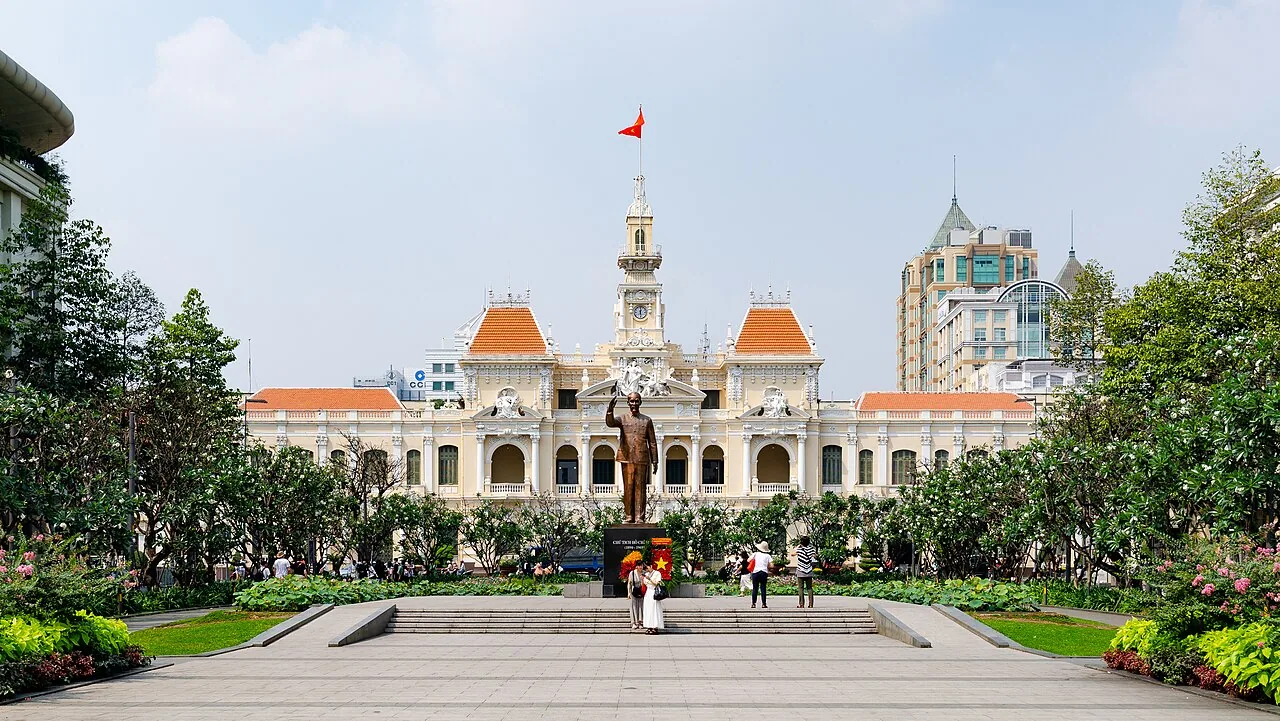
Quick comparison: which Saigon area is right for you?
| Neighbourhood / familiar district name | Best for | Main trade-off |
|---|---|---|
| Dong Khoi / Nguyen Hue (former District 1) | First-timers, central sights, evening strolls | Busy streets and often higher room rates |
| Ben Thanh / Le Loi (former District 1) | Markets, metro, short stays | Traffic and a very active daytime scene |
| Pham Ngu Lao / Bui Vien | Backpackers, nightlife, social hostels | Noise late into the night |
| Former District 3 | Local cafés, slower central stays | Some sights need a short ride |
| Thao Dien (An Khanh area) | Families, remote workers, longer stays | Further from the historic centre |
| Cholon (former Districts 5/6) | Chinese-Vietnamese heritage and food | Less convenient for classic downtown sightseeing |
| Binh Thanh / river corridor | Apartments, skyline, mixed local streets | Location varies greatly block by block |
A note on place names: Ho Chi Minh City's administrative boundaries changed in 2025. Travellers, hotel sites and ride-hailing apps still use familiar district names. In this guide those names identify general areas, not the current legal ward for every address.
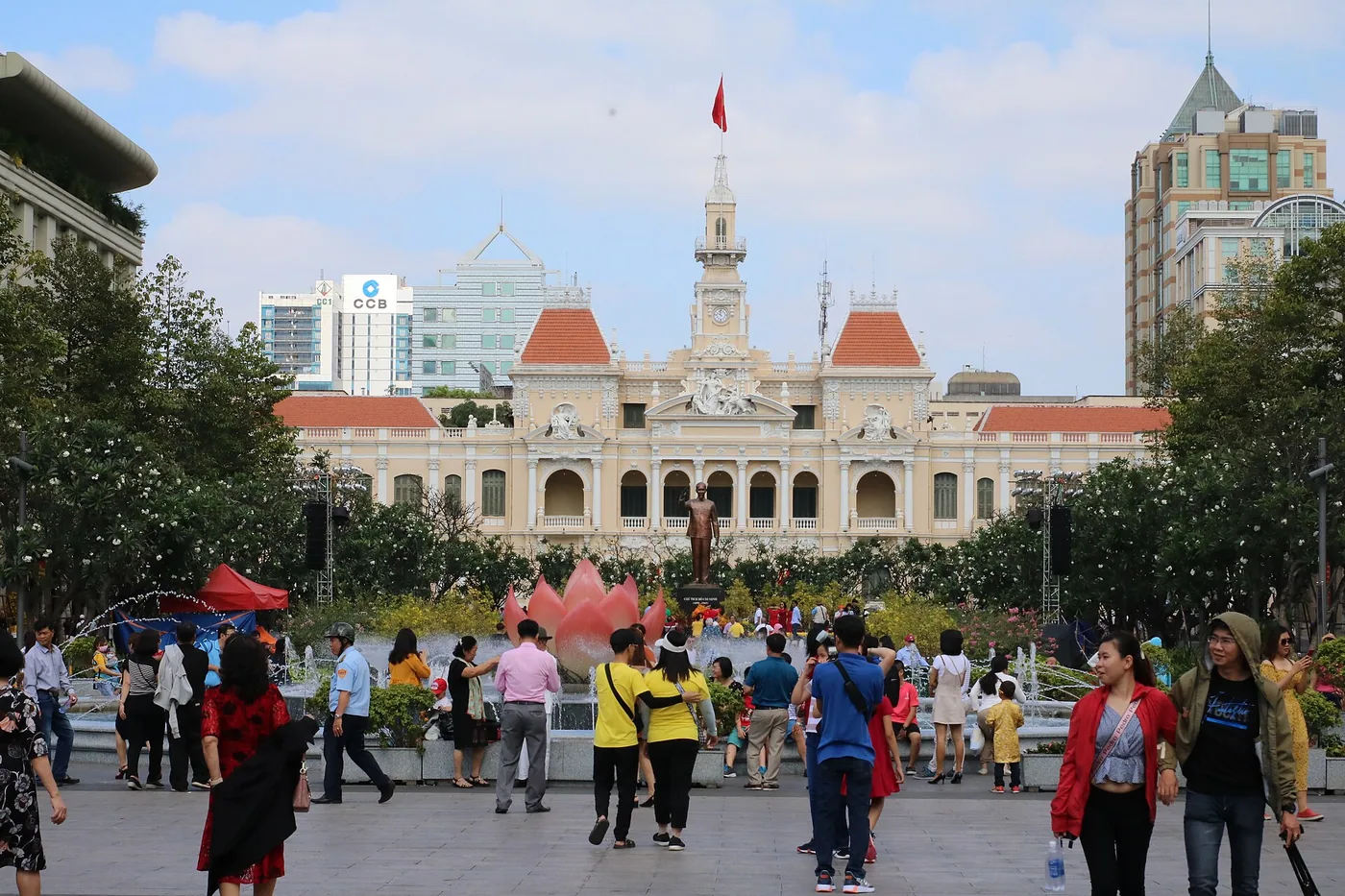
Dong Khoi and Nguyen Hue: the easiest first-trip base
Staying around Dong Khoi, the Opera House, Nguyen Hue or the riverfront lets you enjoy central Saigon with the least logistical friction. You can walk to major landmarks, find a restaurant without planning a vehicle transfer and return to your room between a sightseeing afternoon and evening photography.
This neighbourhood suits couples, first-time visitors and short stays where time matters more than maximizing room size. Boutique hotels and luxury properties share the area with older buildings. The price you pay varies considerably by building, weekday and events; use an actual date-specific booking quote rather than a generic “average hotel price.”
Before booking: zoom in on the entrance. A room on a busy boulevard may have excellent views but more traffic noise; one tucked down a lane may be quieter but harder for cars to reach.
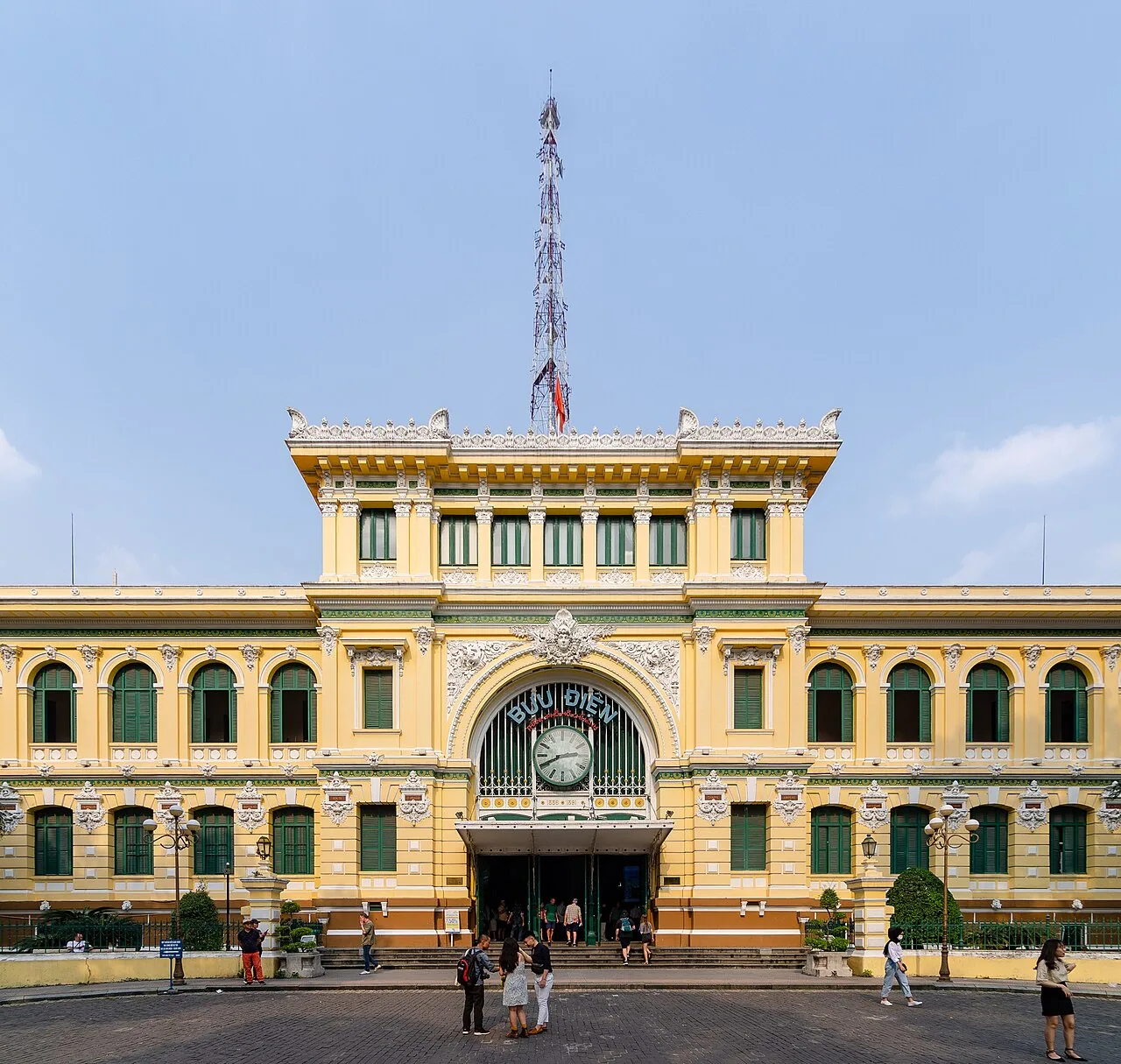
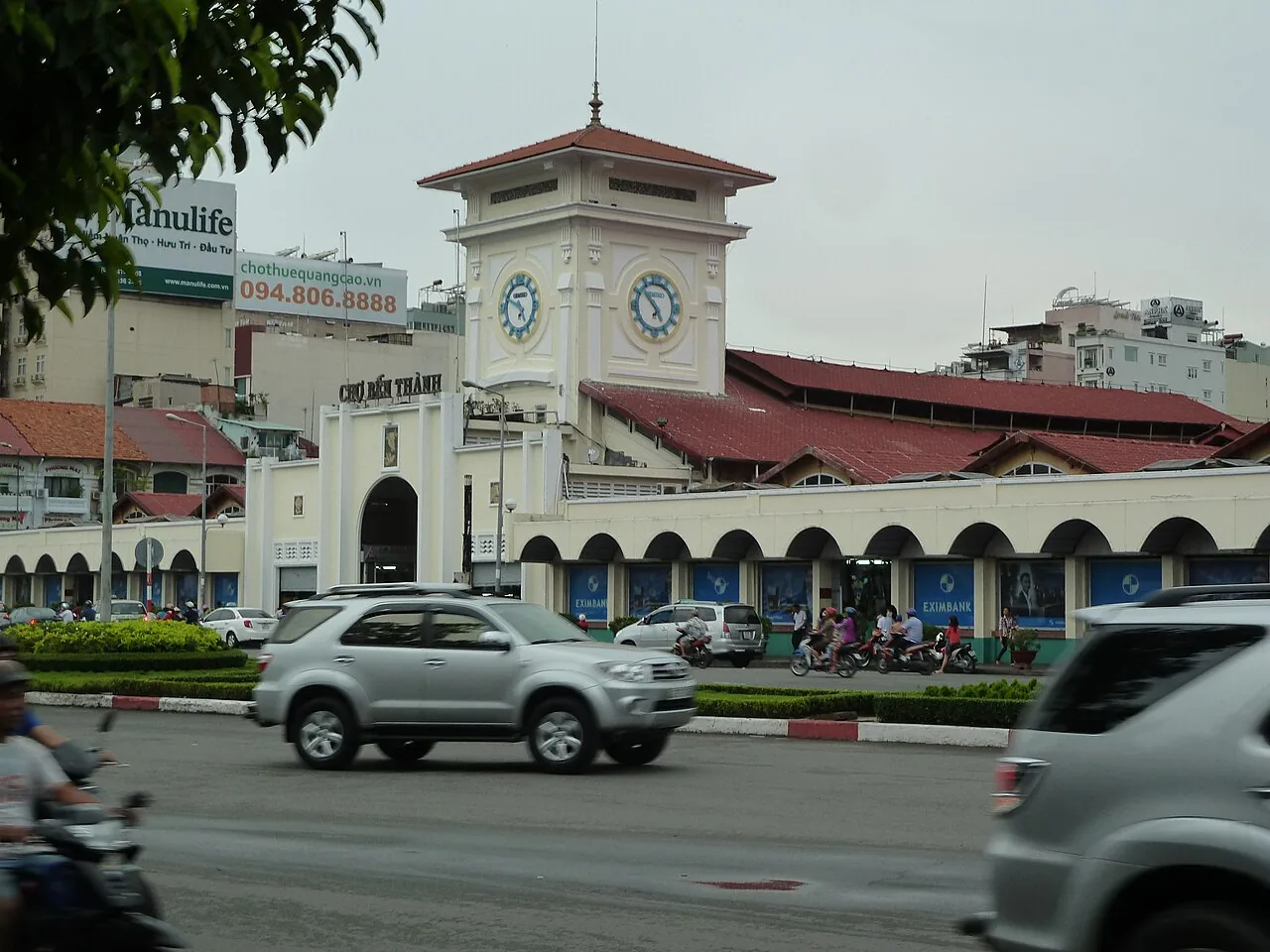
Ben Thanh and Le Loi: market mornings and Metro Line 1
The Ben Thanh Market area is another excellent choice for a first visit, particularly if you want a breakfast walk, a famous market on your doorstep and easy access to the Ben Thanh Metro Line 1 station. You can build an efficient central walking itinerary from here without a complicated transport plan.
Accommodation ranges from compact guesthouses to full-service hotels. Some streets are busy with tour pick-ups and deliveries, so a cheaper room facing the street is not always better value than one slightly farther away. Check soundproofing, elevator access and whether breakfast is included.
This base works particularly well with our one-day central Saigon route.
Pham Ngu Lao and Bui Vien: good energy, poor sleep for some
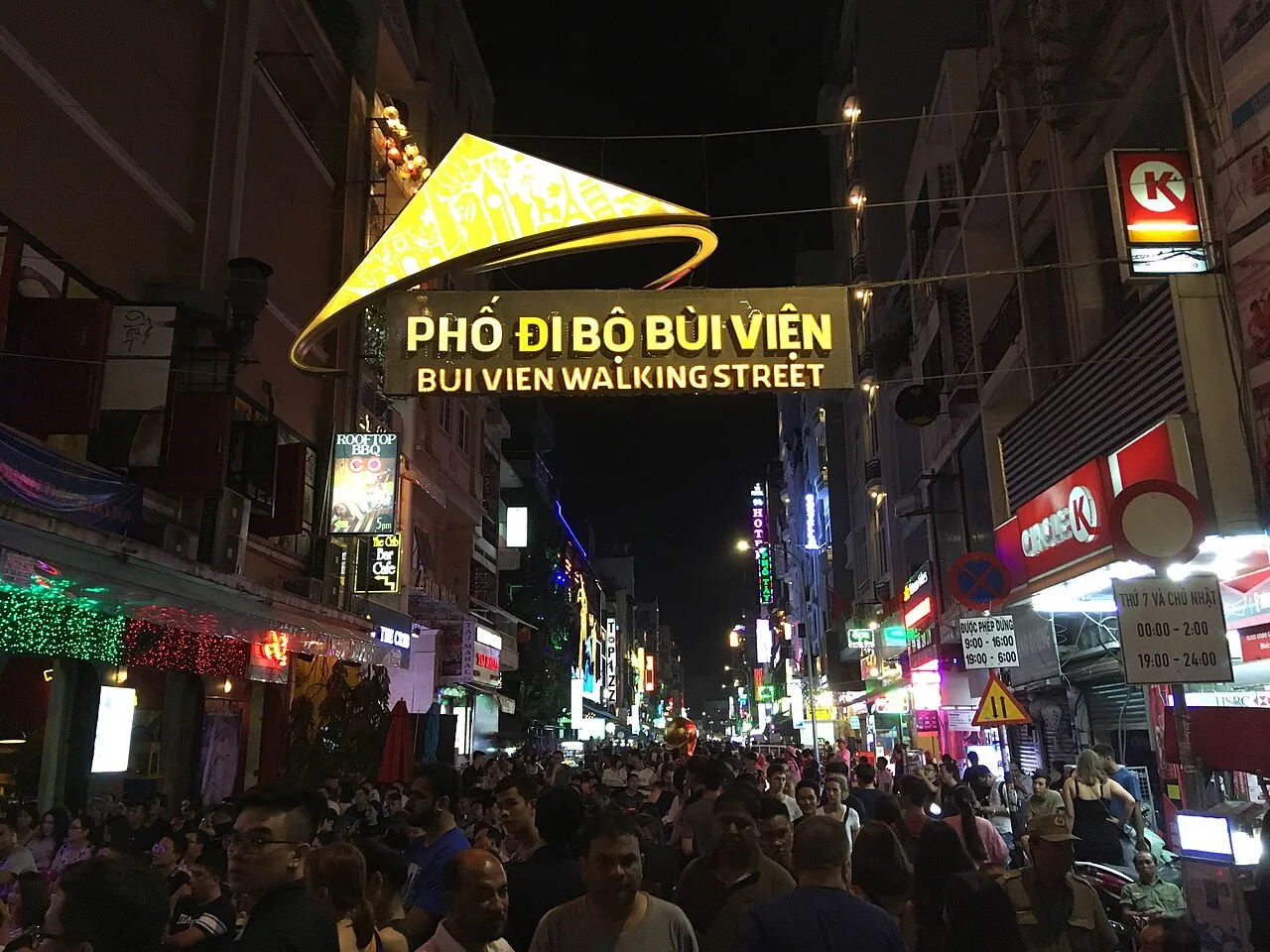
The backpacker quarter has hostels, small hotels, tour desks, cafés and a strong social atmosphere. It is convenient for solo visitors who like meeting other travellers and for people who plan to spend evenings in bars or music venues.
The trade-off is simple: Bui Vien can be loud. Read reviews specifically mentioning rooms, street-facing windows and late-night noise rather than relying only on an overall rating. If you are a light sleeper or travelling with children, choose a side street with verified quiet-room reviews—or stay elsewhere.
If you plan to visit for one night of music, you do not need to sleep here. It is easy to visit and travel back to a calmer base.
Former District 3: local cafés and a more residential rhythm
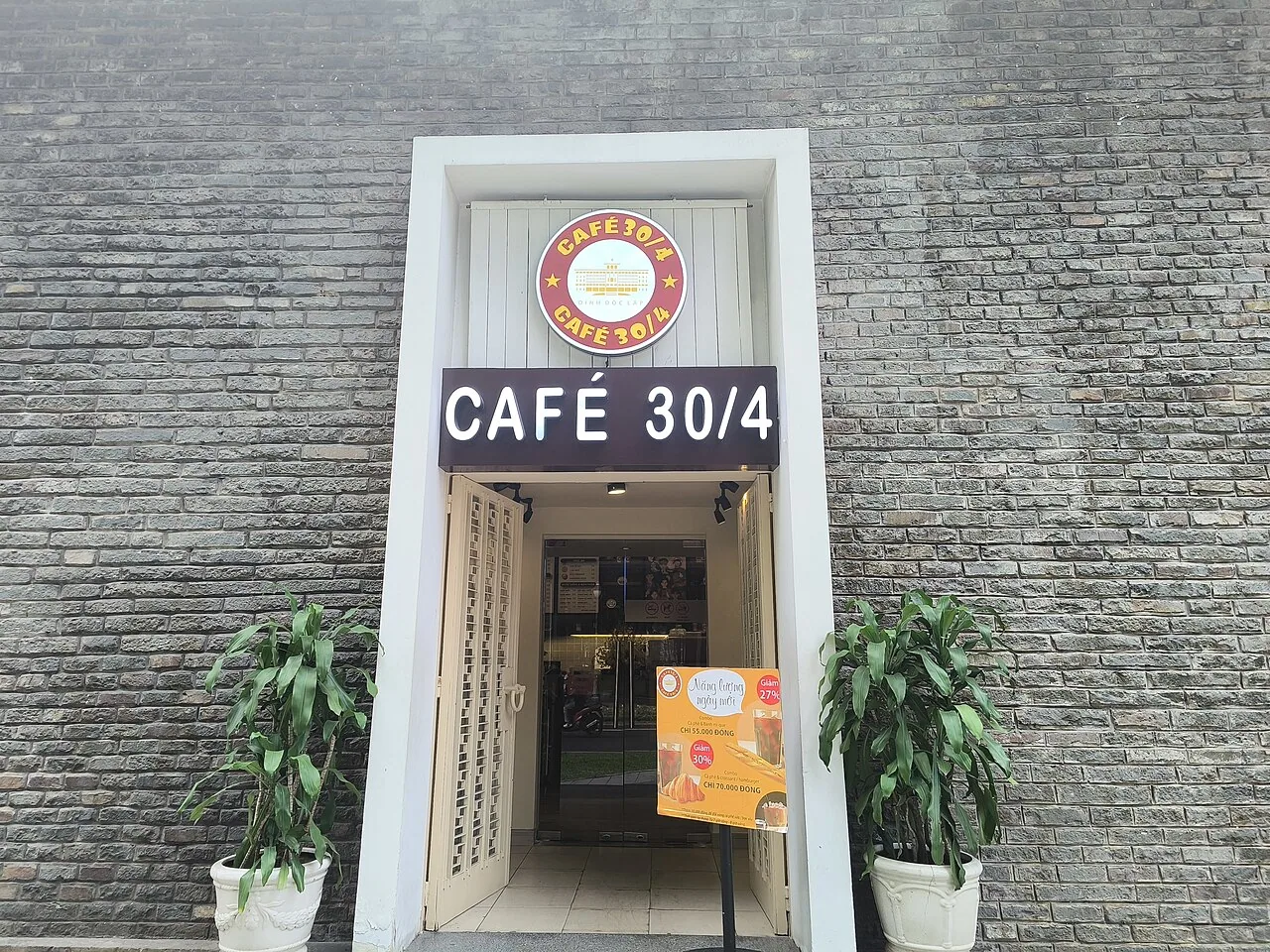
Former District 3 offers a different side of Saigon: tree-lined streets, traditional shopfronts, cafés and neighbourhood restaurants rather than a continuous line of tourist attractions. It can appeal to returning visitors, couples and anyone who wants a calm morning before heading into town.
The War Remnants Museum and nearby heritage streets make good anchors, but the exact walking distance depends on your hotel. A property described as “District 3” may still be far from the places you want. Check walking routes, not just labels.
Look for guesthouses or small hotels with clear accessibility information, recent reviews and practical reception hours. If you are staying for a week, consider laundry access and an easy place to buy breakfast.
Thao Dien: relaxed cafés, serviced apartments and longer stays
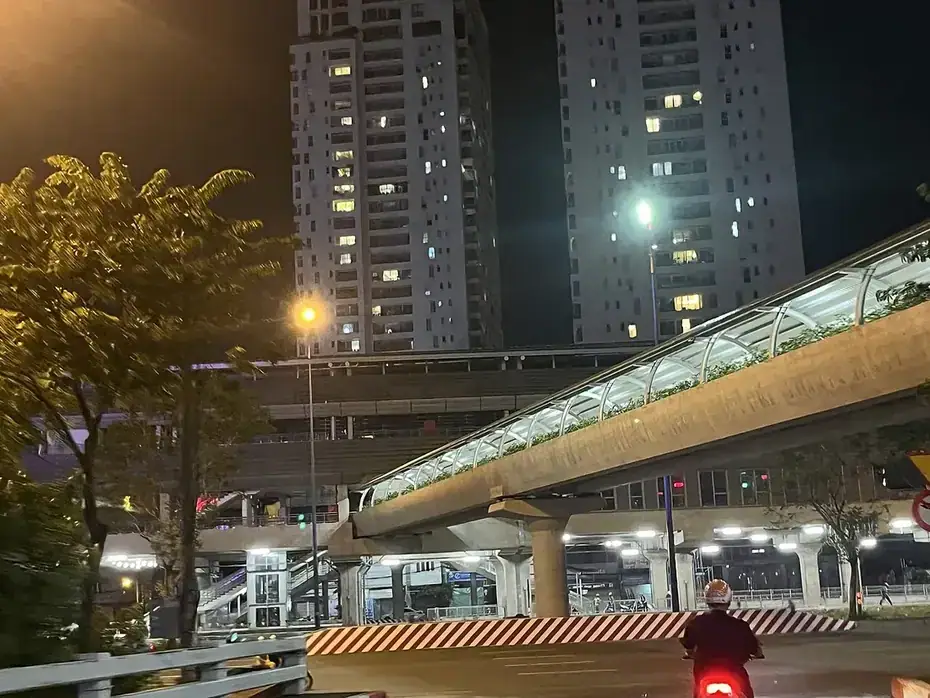
Across the Saigon River, Thao Dien is popular with international residents and travellers who appreciate cafés, fitness studios, boutiques and a less hurried rhythm. It suits families, digital nomads and longer visits where having a comfortable room or apartment matters as much as being near the main attractions.
The Thao Dien station on Metro Line 1 can help with trips toward the historic centre, but do not assume your accommodation is a short walk from the station. Check the actual route: large roads, rain and river crossings may change how convenient the journey feels.
For a healthy breakfast or açaí bowl, our Légumes Thao Dien guide offers ideas. KOKONIC also has a shop at 113Bis Xuan Thuy for locally inspired gifts.
Cholon and other areas: stay for the reason you came
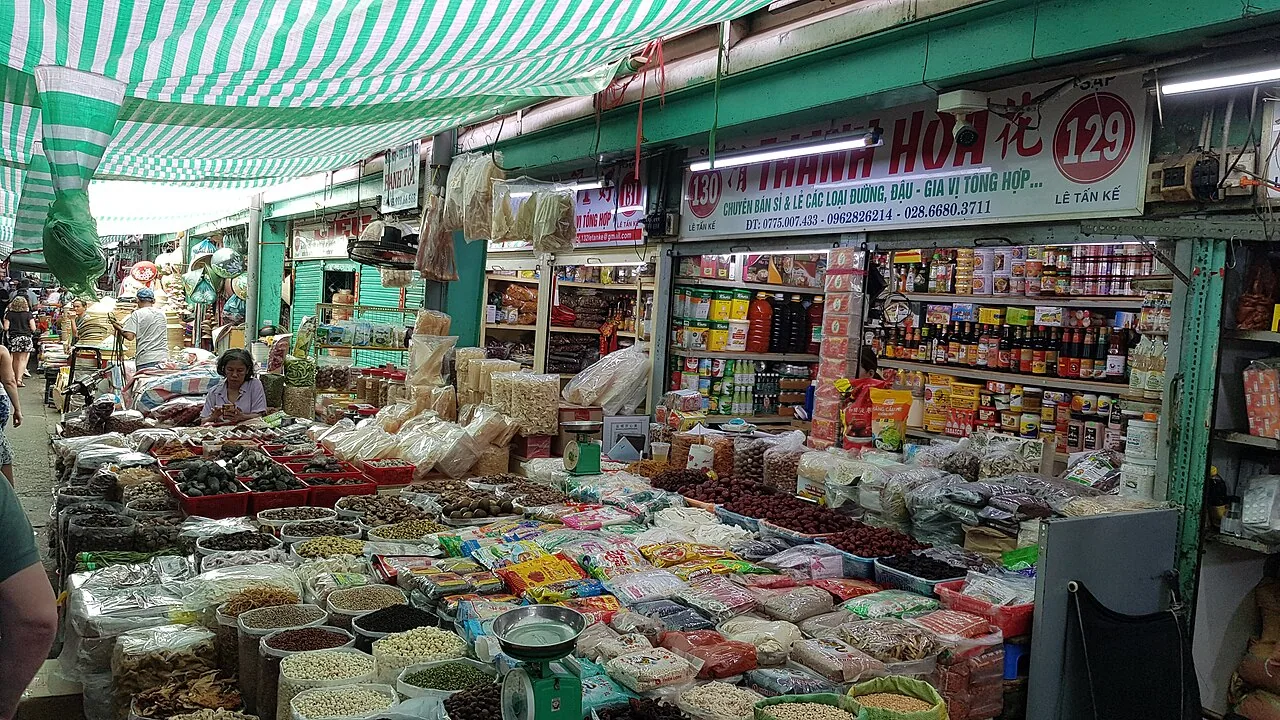
Cholon, the Chinese-Vietnamese quarter, is rewarding for travellers drawn to temples, trading streets and food traditions. Its famous Binh Tay Market and Thien Hau Temple deserve unhurried visits. Staying here can be memorable, but it is not the most convenient base for walking to Nguyen Hue or the Opera House every day.
Binh Thanh has apartments and modern towers alongside older neighbourhoods. It can offer more space, but proximity to an important landmark on a map does not guarantee easy walking. Tan Binh, nearer Tan Son Nhat Airport, is practical for some early flights but less attractive as a base for a full city-centre holiday.
Choose the area because it supports your actual itinerary. A famous neighbourhood label does not substitute for checking the precise street.

Nine checks before paying for a room
- Street and building entrance: can a taxi reach it, and is the last stretch comfortable with luggage?
- Noise: read recent reviews about traffic, music, construction and nearby bars.
- Actual travel time: test the route at the hours you plan to travel, including the return journey.
- Room details: check that the booked room type has the window, beds and air-conditioning you expect.
- Taxes and fees: compare the final amount including any service charges and local taxes.
- Cancellation: check the exact refund deadline and what happens if your flight changes.
- Connectivity: Wi-Fi reliability and a desk matter for remote work.
- Family and accessibility: inspect lift access, step-free routes and child-related policies.
- Late arrival: confirm 24-hour reception or explicit late check-in arrangements.
If you are torn between two hotels, choose the one with a more useful location and better recent sleep-quality reviews. A slightly cheaper room can cost more in taxis and lost time.

How a neighbourhood shapes the rest of your trip
For a first-time, three-day visit, Dong Khoi or Ben Thanh is a sensible default because the historic centre is your main attraction. If your schedule is dominated by meetings or visits to the east of the river, Thao Dien may be more efficient. If you love traditional markets and Chinese-Vietnamese food, Cholon merits at least a half-day even if you sleep elsewhere.
Build your plans around the hotel you actually book. Our three-day itinerary, evening guide and Cholon walk can help. For your arrival, see the Tan Son Nhat airport transfer guide.

Frequently asked questions
What is the best area to stay in Ho Chi Minh City for first-timers?
The central area around Dong Khoi, Nguyen Hue or Ben Thanh is a practical starting point for a short first visit because major sights and restaurants are close together.
Is District 1 or Thao Dien better?
Choose central Saigon for short sightseeing-focused visits. Thao Dien can be better for longer stays, families or travellers who prioritize apartments and cafés.
Should I stay on Bui Vien Walking Street?
Only if you like late-night music and crowds. Check noise reviews carefully; you can visit Bui Vien without sleeping on the street.
Is Cholon a good place to stay?
It is appealing for Chinese-Vietnamese heritage, local markets and food, but it is farther from classic central Saigon attractions.
Do old district names still appear on hotel websites?
Yes. Many listings still use familiar district names even though administrative wards changed. Always verify the exact street and travel route.
Useful sources and fact-checking
Editorially reviewed 8 November 2026. Opening arrangements, fares, traffic and services can change; verify details with official operators before travel.
Find a meaningful souvenir at KOKONIC
This guide is published by KOKONIC. If your itinerary takes you past central Saigon or Thao Dien, you can also browse Vietnamese coffee, chocolate, dried-fruit gifts and local designs. Selection and stock vary by store.
Editorial disclosure: KOKONIC is the website operator. Its stores are identified as owned-brand suggestions, not represented as independent rankings.