See our photo guide to the five must-visit sights in Saigon ↗
Photo guide to HCMC Metro Line 1: tickets, route and stations ↗
Best for first-time visitors with three full sightseeing days. Stay around central Ho Chi Minh City for easy connections. Day 1 is mostly walkable; Day 2 uses a few ride-hailing transfers; Day 3 needs a pre-booked Cu Chi trip and an optional Metro Line 1 ride. All times below are suggested arrival slots, not confirmed opening hours.
At a glance
Day 1 — Historic Saigon, French-era landmarks and city lights
Walk central Saigon: Independence Palace → War Remnants Museum → Cathedral Square → Central Post Office → Book Street → Opera House → Dong Khoi → 42 Nguyen Hue → Walking Street.
10 stops ↓Day 2Day 2 — Temples, Chinatown, local markets and the river
Tan Dinh Church → Jade Emperor Pagoda → Thien Hau Temple → Binh Tay Market → Chinatown lunch → Fine Arts Museum → Ben Thanh Market → Bach Dang Wharf.
9 stops ↓Day 3Day 3 — Cu Chi history, the first metro and modern Saigon
Cu Chi Tunnels morning tour → return and rest → Ben Thanh Metro Station → Thao Dien cafés and gift shops → optional Landmark 81 skyline.
6 stops ↓{text(day["title"])}
{text(day["subtitle"])}
{text(day["intro"])}
Vietnamese breakfast and iced coffee
Begin near your hotel with bánh mì, phở or cơm tấm, then try cà phê sữa đá if you drink coffee. Look for a busy, clean spot where the menu is clear. This meal is deliberately flexible: it is more useful to start well-fed than to spend the morning traveling across town for a viral shop.
Practical tip: Carry a refillable water bottle and small cash; check what is included before ordering.
📍 Open map ↗
Independence Palace (Reunification Palace)
Explore the former presidential complex, with preserved meeting rooms and an architecture that tells an important part of twentieth-century Vietnamese history. Give the underground rooms time if they are accessible on your visit. Read the exhibition panels rather than treating the building as a quick photo stop; this adds context for the next museum.
Practical tip: Allow roughly 60–90 minutes. Check the official visitor information for tickets, accessible areas and special closures.
📍 Open map ↗
War Remnants Museum
The exhibitions present powerful accounts and photographs of war and its consequences. Some material can be emotionally difficult, particularly for children; there is no need to see every gallery. You can choose a shorter self-guided visit, focusing on the rooms appropriate to your group. The courtyard displays large military objects and is a useful reference point.
Practical tip: Be respectful with photographs and people; plan a quieter lunch break afterwards.
📍 Open map ↗Lunch and midday rest
Have a leisurely Vietnamese lunch such as cơm tấm, bún thịt nướng or a vegetarian rice plate. City afternoons can be hot, so a comfortable indoor break is not wasted time. If traveling with children or older guests, shorten one museum rather than rushing all remaining stops.
Practical tip: Keep 60–75 minutes for food and air-conditioning; do not assume every museum café is open.
📍 Open map ↗Notre-Dame Cathedral Basilica — exterior viewpoint
Walk through the Cathedral Square area and see one of the best-known French-era architectural landmarks. Restoration and religious services can affect the exterior and access, so treat this as an outdoor viewing stop unless opening has been confirmed. This is an ideal point for understanding why old Saigon buildings appear so frequently in travel photos.
Practical tip: Dress respectfully and check whether the square or entrances have temporary barriers.
📍 Open map ↗
Saigon Central Post Office
Right beside the cathedral, the yellow post office has a grand historic façade and a high-ceilinged interior worth seeing. Look at the decorative details and consider sending a postcard if postal services are available. Because it is a functioning public place, keep entrances clear and let staff work uninterrupted.
Practical tip: Take a second photo inside if permitted; the interior is different from the iconic façade.
📍 Open map ↗Nguyen Van Binh Book Street
This compact book-focused street is a pleasant change of pace. Browse printed art, Vietnamese books, illustrated gifts and stationery; the exact sellers vary. Even if you do not read Vietnamese, design publications and postcards can be interesting keepsakes. A short coffee or cold-drink stop here gives everyone a chance to recover.
Practical tip: Check price and language before buying a book as a gift; ask before photographing stalls.
📍 Open map ↗
Saigon Opera House and Dong Khoi Street
Continue along Dong Khoi to admire the Opera House exterior and nearby urban architecture. Browse boutiques, cafés and local specialty stores at your own pace. For a distinctive souvenir, look beyond packaging: check where the coffee, chocolate or craft object was made and whether you could comfortably bring it home.
Practical tip: Opera House performances require a separately checked ticket. KOKONIC operates a shop at 8 Dong Khoi, Grand Hotel Saigon, if you would like to see our Vietnamese gifts.
📍 Open map ↗42 Nguyen Hue Cafe Apartment
Head to the famous old apartment building at 42 Nguyen Hue, whose stacked balconies have become a signature Saigon photo. Explore its independent shops and cafés rather than assuming each floor is the same. Access and tenant information may change. For souvenirs, KOKONIC operates a store on Level 3; this is an in-house recommendation from the site operator.
Practical tip: Allow time to navigate the floors. Follow posted building rules and ask before photographing shop interiors.
📍 Open map ↗
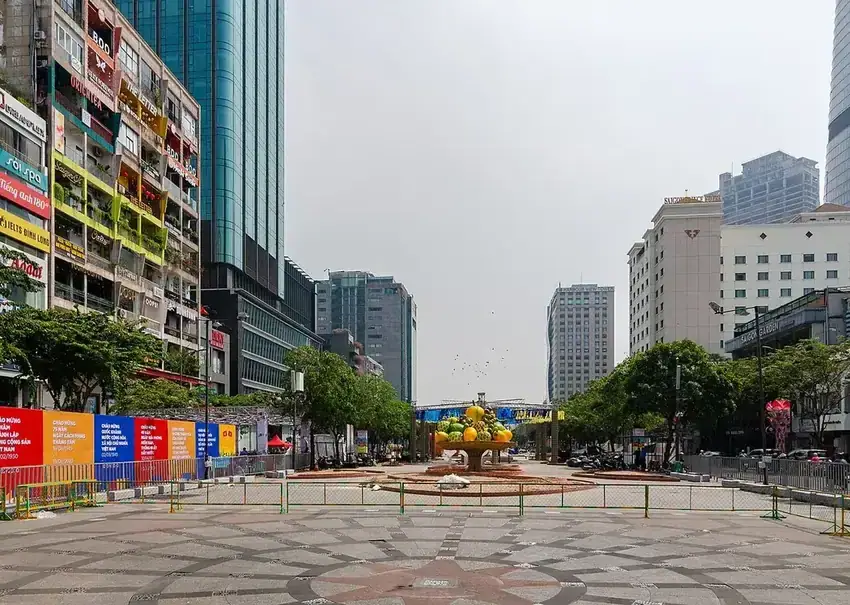
Nguyen Hue Walking Street, City Hall view and dinner
As the light softens, see the City Hall façade from public areas and enjoy the pedestrian boulevard. City Hall is an administrative building, not a casual indoor attraction. Finish with Vietnamese food or a riverside stroll, depending on your energy. The nighttime atmosphere is often a highlight of staying in the city centre.
Practical tip: Choose a rooftop café or a street-level walk; be careful crossing the roads that meet the pedestrian zone.
📍 Open map ↗More photographs from this day


{text(day["title"])}
{text(day["subtitle"])}
{text(day["intro"])}

Tan Dinh Church — pink church exterior
Start with the church known for its pink exterior. It is a religious site, so admire the building from permitted areas and be mindful of services, access restrictions and local worshippers. Even a short photo stop sets a very different architectural tone from Day 1's modernist palace.
Practical tip: Do not promise interior entry; exterior paint and restoration may change over time.
📍 Open map ↗
Jade Emperor Pagoda
Continue to a temple known for incense-filled rooms and richly carved figures. It remains a place of worship, not only a tourist attraction. Dress modestly, speak quietly and follow posted notices about photography. Take time to notice the atmosphere instead of photographing every altar or visitor.
Practical tip: If incense smoke is uncomfortable, keep the visit short and spend more time in outdoor areas.
📍 Open map ↗Coffee break and transfer to Cholon
A coffee break and a car ride are built into the schedule on purpose. Cholon is not just one street; it spans a larger urban area and traffic can be unpredictable. Ask your driver for the actual temple destination rather than only saying Chinatown.
Practical tip: Allow plenty of time for the transfer and bring water before the warm midday market visit.
📍 Open map ↗
Thien Hau Temple in Cholon
Thien Hau Temple is associated with the Chinese-Vietnamese community and the sea goddess. Look at the roof details, decorative ceramics and hanging incense where viewing is permitted. This is an active sacred site; follow etiquette before photographing prayers or making offerings.
Practical tip: Check the temple's rules and avoid blocking worshippers at entrances and altars.
📍 Open map ↗
Binh Tay Market
Binh Tay is an important Cholon market, with a very different wholesale feel from boutique shopping streets. Wander briefly to observe goods, packing styles and local commerce. If buying food gifts, look for clear ingredient labels, reliable seals and dates; the busiest market stall is not automatically the best souvenir seller.
Practical tip: Use the market as a cultural visit as much as a shopping stop. Keep your bag secure in crowds.
📍 Open map ↗Chinatown lunch — hủ tiếu, noodles or dim sum
Choose a nearby lunch that fits your dietary needs. Cholon is a good place to look for Vietnamese-Chinese noodle dishes, dumplings and regional flavours. Check menus before ordering and avoid assuming every dish is vegetarian or free from seafood. This is also the right place for a cooling rest before another ride.
Practical tip: Do not chase a viral venue across town. An accessible local restaurant with a clear menu makes the itinerary more comfortable.
📍 Open map ↗Ho Chi Minh City Museum of Fine Arts
Back in the central area, enjoy a slower gallery visit in the city's Fine Arts Museum. It can be a welcome visual counterpoint to a morning of temples and markets. Building rooms, current exhibitions and photo policies may change, so check at the entrance. If your group is tired, choose this museum or the following market, not both.
Practical tip: Photography rules may differ by exhibition; allow time to appreciate work without a camera.
📍 Open map ↗
Ben Thanh Market souvenirs and snacks
Now compare the souvenirs you've been noticing: Vietnamese coffee, chocolate, dried mango, cashews, postcards and lightweight crafts. Read labels and compare actual net weights, not only the size of gift boxes. If you prefer curated shopping, there are specialist stores nearby; the right choice is the one with clear information and a product you will actually use.
Practical tip: For a quick gift list: coffee for a coffee drinker, sealed dried fruit for colleagues and a small craft object for someone who likes design.
📍 Open map ↗Bach Dang Wharf, Saigon River and optional evening boat
Finish around the riverside promenade for views of the changing skyline. A scheduled river cruise is an optional paid experience, not included in this self-guided route; book with an operator and check embarkation details before committing. If the weather is wet, choose an indoor dinner or café near your accommodation instead.
Practical tip: Look after your phone near busy roads and do not assume all river experiences depart from the same pier.
📍 Open map ↗More photographs from this day

{text(day["title"])}
{text(day["subtitle"])}
{text(day["intro"])}
Depart early for Cu Chi Tunnels
Book a reputable tour or arrange a driver to the specific Cu Chi visitor complex you plan to visit; Ben Dinh and Ben Duoc are not interchangeable entrances. Road time depends on your starting point, traffic and site choice, so this schedule is a buffer-based suggestion, not a guaranteed arrival time. Pack sunscreen, water and breathable shoes.
Practical tip: Confirm the return plan, entrance included, language of the guide and whether walking or crouching in tunnels is optional.
📍 Open map ↗
Explore the Cu Chi Tunnels historic site
Learn about the wartime tunnel network and daily life in and around the site through exhibits and guided explanation. Some sections are narrow, humid or physically demanding. Visitors with claustrophobia, mobility concerns or respiratory sensitivities can enjoy many above-ground exhibits and skip entering the tunnels entirely.
Practical tip: Treat the history with respect; listen to safety guidance. Do not enter any tunnel just for a photo if it feels uncomfortable.
📍 Open map ↗Lunch and return to the city
Eat at the site or on the return route depending on your tour arrangement. Build in a generous arrival buffer: an afternoon plan that depends on exact traffic times can become stressful. Once back in central Saigon, take a short shower or coffee break before going out again.
Practical tip: If you return later than expected, skip the metro and Landmark 81 rather than rushing.
📍 Open map ↗
Ride Metro Line 1 from Ben Thanh
If time and energy allow, try Ho Chi Minh City's first metro line. From the central Ben Thanh station, the line heads east and has elevated sections that offer a new perspective on the city. Choose the station that actually works for your destination and check current service information at the station; a metro trip is not automatically door-to-door.
Practical tip: Check operating hours and payment instructions at the station. Save a little extra time for finding the correct exit.
📍 Open map ↗
Thao Dien coffee and Vietnamese souvenirs
Thao Dien is an appealing neighbourhood for a calmer final shopping stop, with cafés and independent retail along streets such as Xuan Thuy. Browse coffee, chocolate, fruit snacks and gifts, but do not buy heavy or perishable items before checking your flight baggage and destination rules. KOKONIC, which operates this guide, has its Thao Dien shop at 113Bis Xuan Thuy.
Practical tip: From a metro station you may still need a ride-hailing car or a walk. Confirm current shop hours directly.
📍 Open map ↗
Optional Landmark 81 skyline and farewell dinner
If your group still has energy, head toward Landmark 81 and the riverfront setting for a final view of modern Ho Chi Minh City. Visiting an observation deck, restaurant or rooftop depends on current ticketing, availability and opening hours; enjoying the exterior or nearby public areas can be enough. If you have an early flight, instead dine near your hotel.
Practical tip: This final stop is optional. Do not schedule it before an airport transfer without a generous time buffer.
📍 Open map ↗More photographs from this day


How to get around without wasting half your trip
For the first day's historic-centre cluster, walking works between several landmarks. Use a licensed taxi or ride-hailing service when it is very hot or rainy, and always confirm the destination address in the app. For Day 2, the Chinatown transfer is the main car journey; Day 3 requires a longer out-of-town journey to Cu Chi.
Metro Line 1 is a useful sightseeing experience and can support eastbound travel, but you will still need to plan the first and last part of your journey. Do not rely on unofficial maps for access or hours. Traffic and weather mean arrival times above should be treated as suggestions, not a promise.
What to eat across three days in Saigon
Try bánh mì for an easy breakfast; phở or hủ tiếu for a comforting noodle meal; cơm tấm for broken rice with toppings; bánh xèo or bún thịt nướng for a different southern flavour; and Vietnamese iced coffee when you need a break. In Chinatown, compare Vietnamese-Chinese noodle and dumpling options. Check ingredients if you are vegetarian, avoid shellfish or have other dietary restrictions.
Food hygiene matters more than social-media popularity. Choose a place with clear prices and good handling practices, drink safe water, and carry small notes for markets. A tour with a local guide can be worthwhile for visitors who want food context rather than only checking dishes off a list.
Budget, season and a realistic pace
Entry tickets, transport and meals change in price. Instead of quoting a fixed 2026 budget that may soon become inaccurate, divide your spending into five parts: museum entrances, Cu Chi transport or tour, local rides, food and optional experiences such as a river boat or rooftop venue. Compare your selected attractions' official ticket pages before departure.
November can still bring showers in southern Vietnam. Carry a light rain jacket, wear breathable clothing and consider an indoor café during the hottest hour. Some buildings, religious places and museums change their access arrangements for events or maintenance. This article was prepared in November 2026; verify hours and prices shortly before traveling.
An alternative if Cu Chi is not your style
Prefer food culture and water landscapes to military history? Use Day 3 for an organised Mekong Delta day trip instead of Cu Chi; do not attempt both on the same day. A typical full-day trip leaves less time for city shopping, so move souvenirs to the end of Day 2. If you do not want to leave the city, you could use Day 3 for the metro, Thao Dien and additional museums at a slower pace.
Frequently asked questions
Are three days enough for Ho Chi Minh City?
Yes for a strong first impression. You can explore central landmarks, Cholon and one longer excursion, but not every museum and day trip. This itinerary balances breadth with rest.
Where is the best area to stay for a 3-day visit?
A hotel in or near central District 1 is convenient for the Day 1 sights and several Day 2 stops. Compare walkability, noise, transport and your budget.
Should I visit Cu Chi or the Mekong Delta?
Choose Cu Chi for a closer look at twentieth-century history, or the Mekong for waterways and regional food culture. Both require more travel than a city-centre walk.
Is the Notre-Dame Cathedral open to visitors?
Access can be affected by worship and restoration. Treat it as an exterior stop and verify current visitor notices before expecting to enter.
Can I follow the itinerary with kids or older travelers?
Yes with changes. Reduce museum time, keep more café breaks and skip narrow tunnels. Book transport rather than expecting everyone to walk all day.
Is Metro Line 1 useful for tourists?
Yes, particularly for an eastbound experience from Ben Thanh toward the city's eastern districts. Check current stops, timetables and last-mile transport.
Where can I buy Vietnamese gifts before flying home?
Compare clearly labeled Vietnamese coffee, cacao chocolate, dried fruit and small crafts. KOKONIC stores on Dong Khoi, Nguyen Hue, Ho Tung Mau and Xuan Thuy are among the options, but check current addresses and hours on the store page.
Sources & photo credits
Photographs in this article are sourced from Wikimedia Commons, resized and converted to WebP for faster loading. Image captions identify the creator and license; clicking a photograph opens its source file.