Updated 5 November 2026. A practical first-time visitor guide to five central Saigon landmarks, with original shopping suggestions and photographs licensed from Wikimedia Commons. Museum hours and attraction access may change; check the official websites linked below before travelling.
The five places at a glance
Ho Chi Minh City, still affectionately called Saigon, brings together lively markets, landmarks connected to Vietnam’s past and streets where residents gather at night. These five stops form a balanced introduction without requiring a long excursion to the outskirts.
| Must-visit place | Main reason to go | Suggested visit time |
|---|---|---|
| Ben Thanh Market | Local food, bustling atmosphere and shopping | 45–75 min |
| Independence Palace | Vietnamese history and architecture | 60–90 min |
| Saigon Central Post Office | Historic interior and postcards | 20–40 min |
| War Remnants Museum | War history and personal stories | 90–120 min |
| Nguyen Hue Walking Street | City life, cafes and evening photographs | 60–90 min |
These are planning estimates, not official visit durations. Adjust the order around the weather, museum opening hours and your own interests.
1. Ben Thanh Market — taste and discover everyday Saigon
Where: Ben Thanh Market, central Ho Chi Minh City. Best time: morning, before the hotter part of the day.
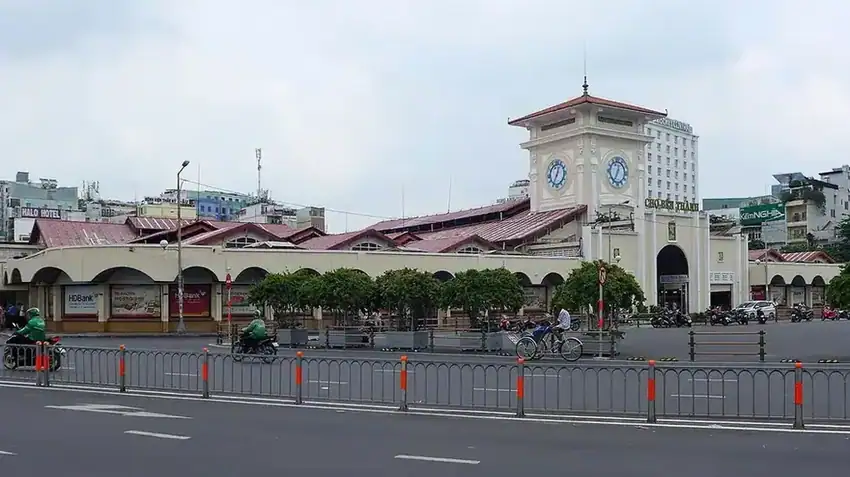
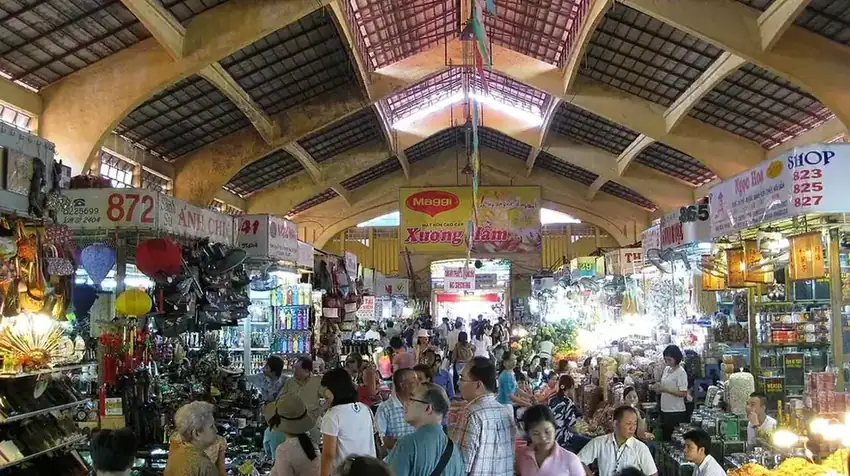
For many first-time visitors, Ben Thanh Market is the quickest introduction to the energy of the city. Inside, rows of vendors sell coffee, dried fruit, conical hats, fabrics, lacquerware, handicrafts and food. The famous clock-tower entrance is a recognizable photo stop; the market itself is more rewarding when you slow down and compare what different stalls offer.
What to do: browse the food stalls, try a Vietnamese snack or iced coffee, then choose one or two souvenir categories to compare. A packaged snack should have an ingredient list, net weight and date information that you can understand. If you want a craft gift, look carefully at the finish, materials and whether the seller can explain its origins. Traditional markets are great for exploration; not every item for sale is necessarily made in Vietnam.
If you're interested in shopping in greater depth, read our Ben Thanh Market souvenir guide.
2. Independence Palace — a landmark of modern Vietnamese history
Where: 135 Nam Ky Khoi Nghia Street or 106 Nguyen Du Street entrances, Ho Chi Minh City. Typical visit: 60–90 minutes.
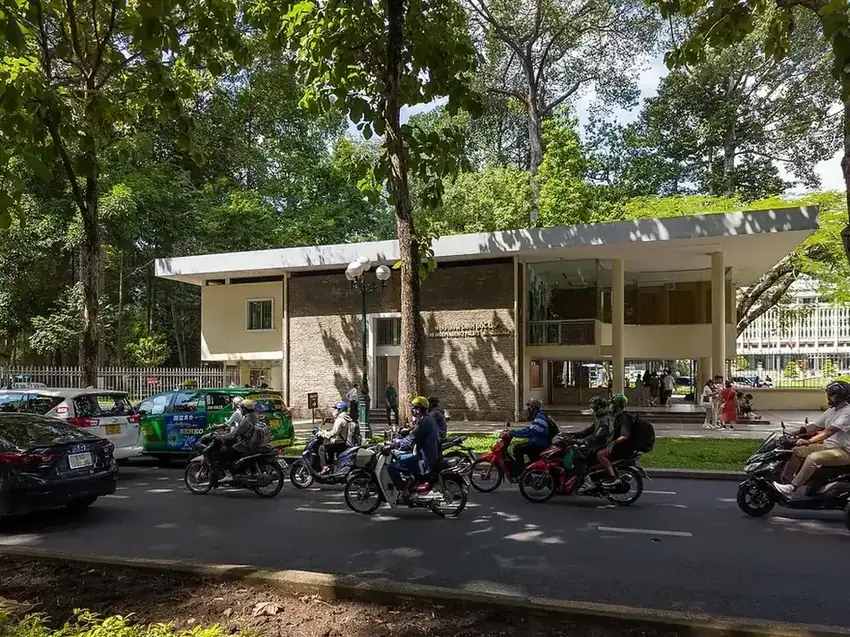
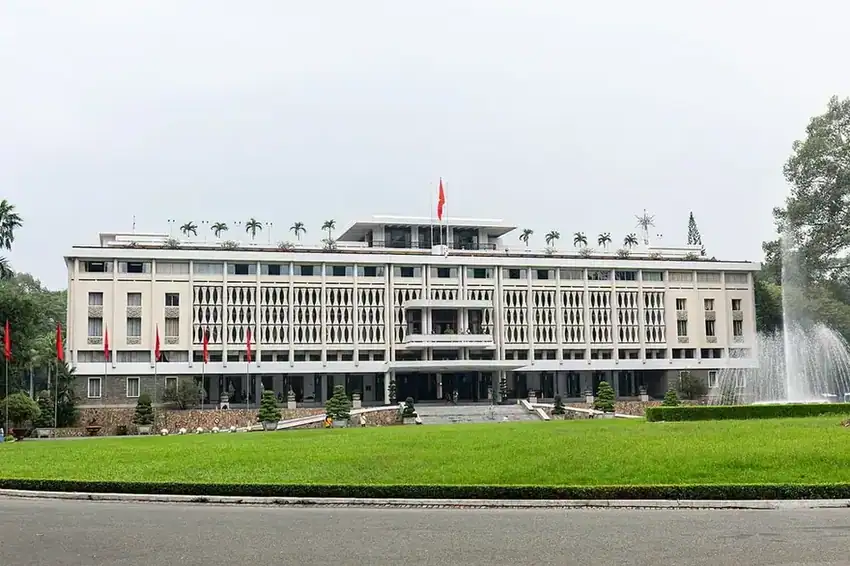
Also known as Reunification Palace, Independence Palace is associated with the events of 30 April 1975 and the end of the war in Vietnam. The modernist building, designed by Vietnamese architect Ngô Viết Thụ, is notable both for its architecture and the preserved spaces that tell the story of a turbulent period.
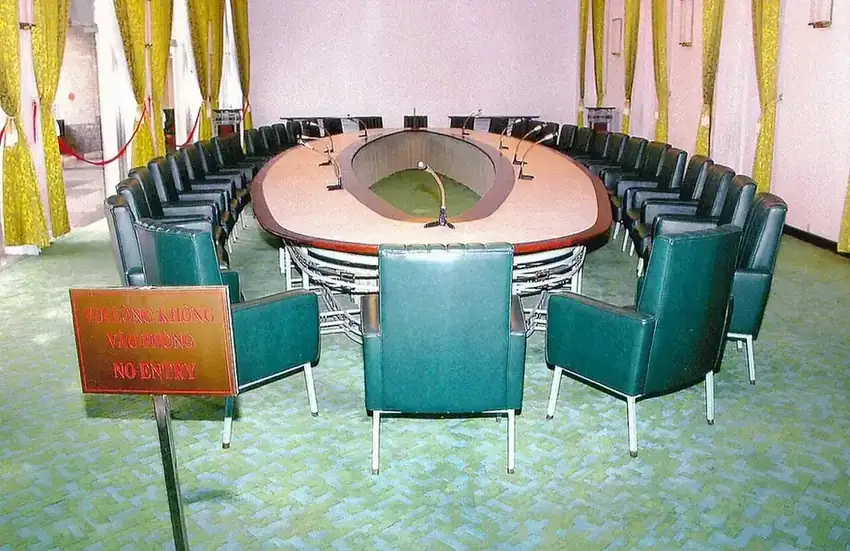
Explore the formal meeting rooms, former working and reception areas, and the underground operations rooms. Allow time for the exhibits rather than treating the palace as an exterior photo stop. An audio guide can help visitors understand the building's functions and historical setting. The official site lists visitor hours of 7:00–18:00, subject to special announcements, and identifies visitor entrances on Nam Ky Khoi Nghia and Nguyen Du streets.
3. Saigon Central Post Office — architecture and a postcard home
Where: 2 Cong Xa Paris Square, Ho Chi Minh City. Best for: photography, architecture and a quick heritage stop.
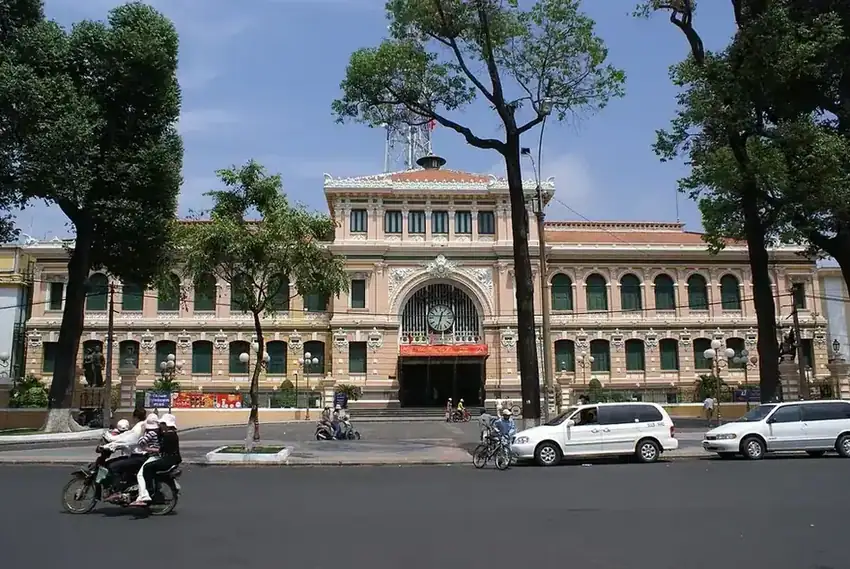
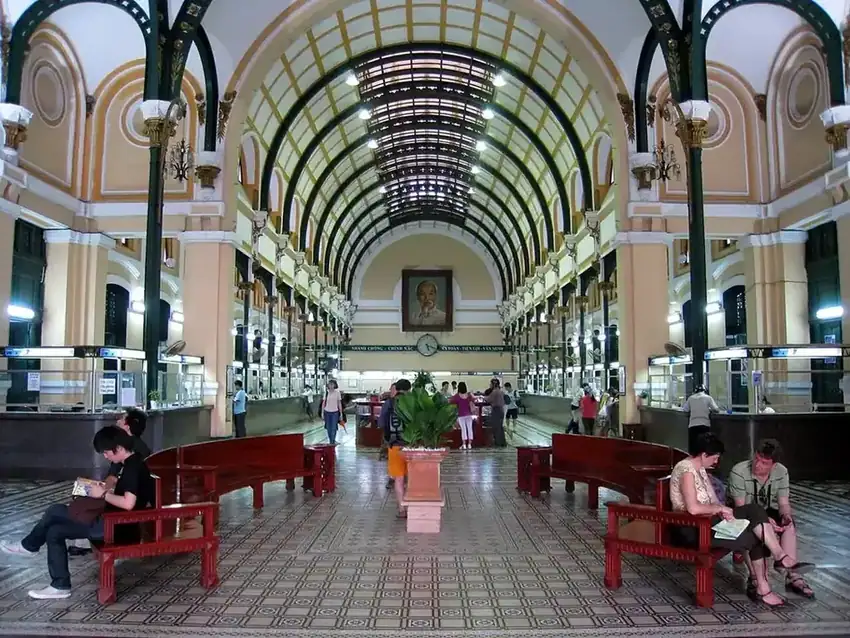
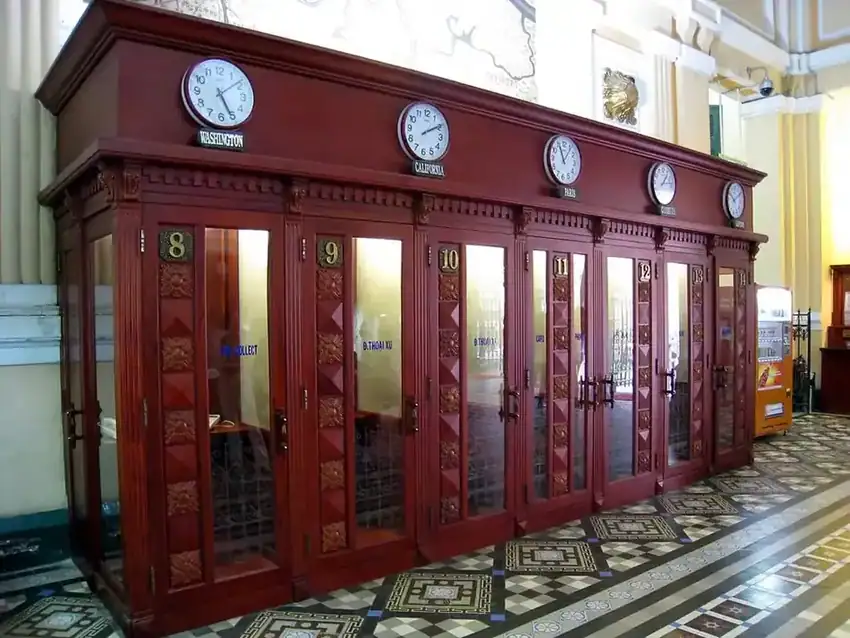
Saigon Central Post Office is among the city's most photogenic heritage buildings. The grand arched hall, historic maps and decorative interior details give the space a distinctive character. There is something satisfying about visiting a building that remains connected to everyday postal services rather than seeing only a museum display.
Take a few minutes to look up at the vaulted ceiling and study the details before taking photographs. A postcard sent from Saigon can be a more personal souvenir than a hastily purchased trinket. The post office is conveniently paired with nearby sights around Cong Xa Paris Square, Dong Khoi Street and the Saigon Opera House.
Important in 2026: The Notre-Dame Cathedral across the square is closed to sightseeing visits during restoration, according to the cathedral's official website. People may still attend religious services under its own rules; tourists should not assume an interior visit is possible. Exterior views may also be affected by restoration barriers.
4. War Remnants Museum — a moving look at history
Where: 28 Vo Van Tan Street, Xuan Hoa Ward, Ho Chi Minh City. Suggested time: 90–120 minutes.
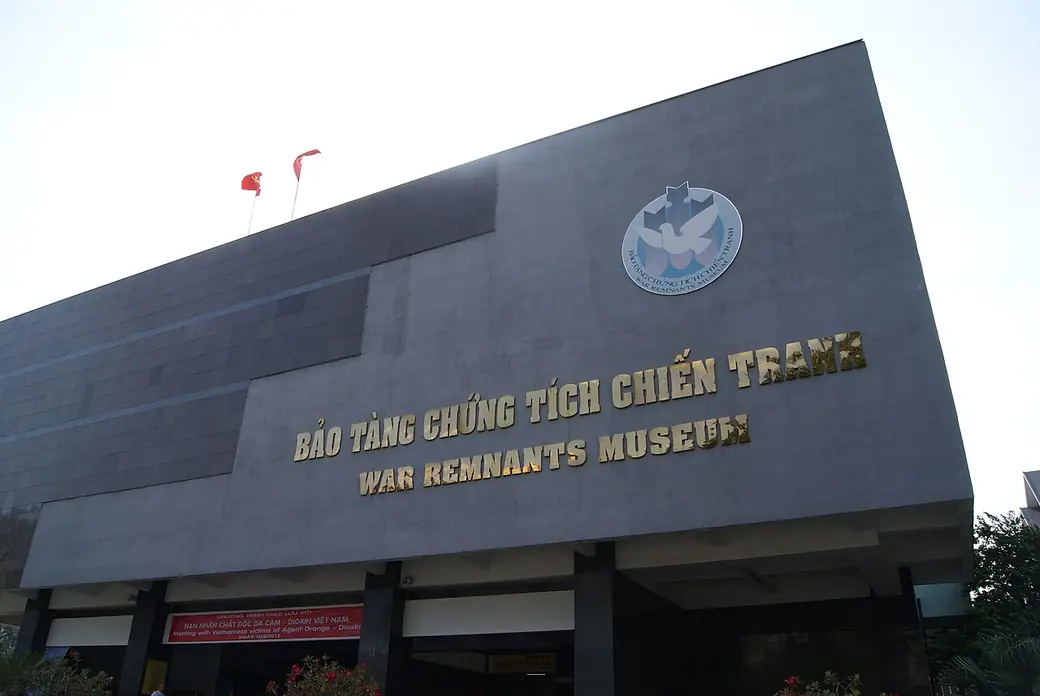
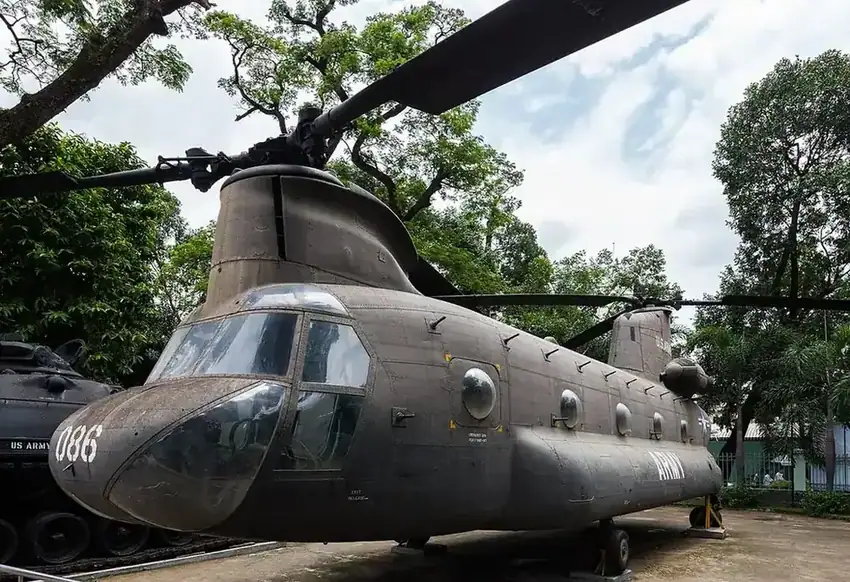
The War Remnants Museum is one of the city's most thought-provoking destinations. Its collections use photographs, documents, military equipment and personal accounts to explore the Vietnam War and its lasting impact. This is not a casual stop to rush through: visitors often benefit from reading the captions carefully and allowing time to reflect.
Some exhibitions show distressing or graphic images of violence and suffering. Families with children, and anyone sensitive to this material, should consider that before entering particular galleries. Be respectful of other visitors and follow rules for photography.
The museum's official ticketing terms, effective from October 2026, list opening hours of 07:30–17:30 daily and a ticket counter closing at 17:00. Special arrangements can still change. See the official War Remnants Museum ticket conditions before travelling.
5. Nguyen Hue Walking Street — Saigon after sunset
Where: Nguyen Hue Boulevard, central Ho Chi Minh City. Best time: late afternoon and evening.
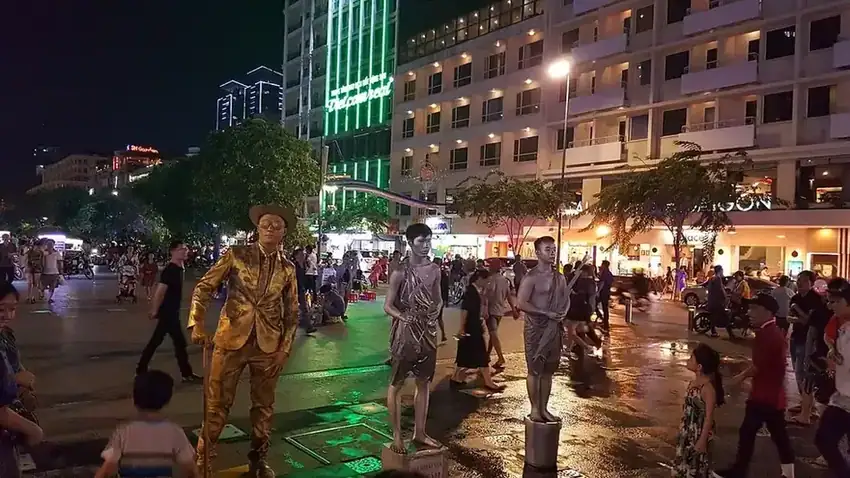
After a day of historic buildings and museums, Nguyen Hue Walking Street gives you a different side of Saigon. This broad boulevard is popular with residents and tourists for evening walks, cafes, street photography and the atmosphere of central city life. Around sunset, the buildings and city lights make it a rewarding place simply to pause and people-watch.
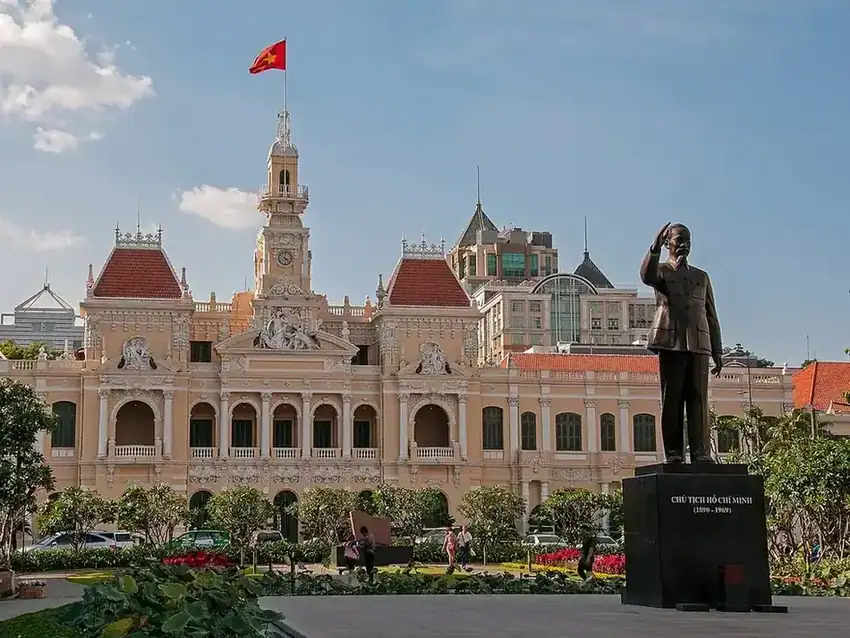
One memorable stop is The Cafe Apartment at 42 Nguyen Hue, a former apartment building now known for cafes and small businesses on different floors. Explore politely, follow each tenant's rules and allow time to find the floor you're looking for. From the boulevard, you can also branch out towards Dong Khoi Street and the Saigon Opera House.
Want a longer exploration? Read our Nguyen Hue shopping guide or The Cafe Apartment guide.
Can you visit all five places in one day?
Yes, but it will be busy. A day gives enough time to see the essentials if you start early and move efficiently; two days are more comfortable for visitors who want to explore museum galleries in depth.
08:30 – Ben Thanh Market: breakfast and market browsing.
10:00 – Independence Palace: historical rooms, architecture and gardens.
12:00 – Lunch: try Vietnamese broken rice, noodle soup or a local cafe; allow time to cool down.
13:30 – War Remnants Museum: a more reflective museum visit.
16:00 – Saigon Central Post Office: heritage architecture and postcards; check postal service hours if you need to send mail.
17:30 onward – Nguyen Hue: walking street, cafes, evening photographs and a relaxed souvenir stop.
Use the Metro Line 1 guide for Ben Thanh and Opera House stations; other attractions may be easier to reach on foot or with a short ride. This sample route is illustrative, not a promise of real-time travel times.
Where to buy Vietnamese souvenirs after sightseeing: KOKONIC
After exploring the city's landmarks, many travelers want something useful to remember Vietnam by. Consider locally inspired coffee, chocolate made with Vietnamese cacao, dried mango, cashew nuts, tea or a lightweight handcrafted keepsake. Compare ingredient lists and packaging before purchasing food gifts, and check your home country's rules for bringing food through customs.
KOKONIC - The Gift of Vietnam is a curated retail brand offering Vietnamese-themed gifts and local specialties. Its shops can be useful if you prefer to browse several categories in one stop, rather than visiting multiple market stalls.
Four KOKONIC locations in Ho Chi Minh City
8 Dong Khoi Street, Grand Hotel Saigon. Convenient when exploring the Opera House and Dong Khoi area.
Level 3, 42 Nguyen Hue, The Cafe Apartment. A souvenir stop within one of the city's distinctive cafe buildings.
116 Ho Tung Mau Street, central Ho Chi Minh City. Useful for a downtown gift-shopping visit.
113Bis Xuan Thuy Street, An Khanh, Ho Chi Minh City. An option when visiting the Thao Dien neighbourhood.
Check store hours and stock before visiting at the KOKONIC store directory or official KOKONIC website.
Editorial disclosure: HCM Travel Guide is operated by KOKONIC. The shopping section above describes the website operator's own stores and is not an independent ranking of retailers.
Frequently asked questions
What are the five must-visit places in Ho Chi Minh City?
Ben Thanh Market, Independence Palace, Saigon Central Post Office, the War Remnants Museum and Nguyen Hue Walking Street give first-time travelers a strong mix of shopping, architecture, history and city life.
Can you see all five attractions in one day?
Yes, with a full schedule and limited breaks. Two days are more comfortable if you want to spend longer in the palace and the museum.
Is the Notre-Dame Cathedral in Saigon open to tourists in 2026?
The cathedral's official website says tourist sightseeing access is closed during restoration. Religious services operate under separate rules; check its official updates before visiting.
Is the War Remnants Museum suitable for children?
Some exhibits show graphic wartime photographs and difficult themes. Caregivers should assess suitability and choose galleries carefully.
Which metro station is closest to Ben Thanh Market?
Ben Thanh Metro Station on Metro Line 1. For the Opera House and parts of Dong Khoi, use Opera House Station and follow local walking directions.
Where can I buy Vietnamese gifts in central Saigon?
You can compare market stalls and specialist shops. KOKONIC has stores at 8 Dong Khoi, Level 3 of 42 Nguyen Hue, 116 Ho Tung Mau, and 113Bis Xuan Thuy in Thao Dien.
Sources, updates and useful links
This independent guide was updated on 5 November 2026. Older online travel guides may contain outdated ticket prices, opening hours or restoration advice.
- Vietnam Tourism — 7 must-see attractions in Ho Chi Minh City
- Vietnam Tourism — A weekend in Ho Chi Minh City
- Independence Palace — official visiting information
- War Remnants Museum — official tickets and hours
- Notre-Dame Cathedral Basilica of Saigon — restoration and visitor updates
More photographs from central Saigon
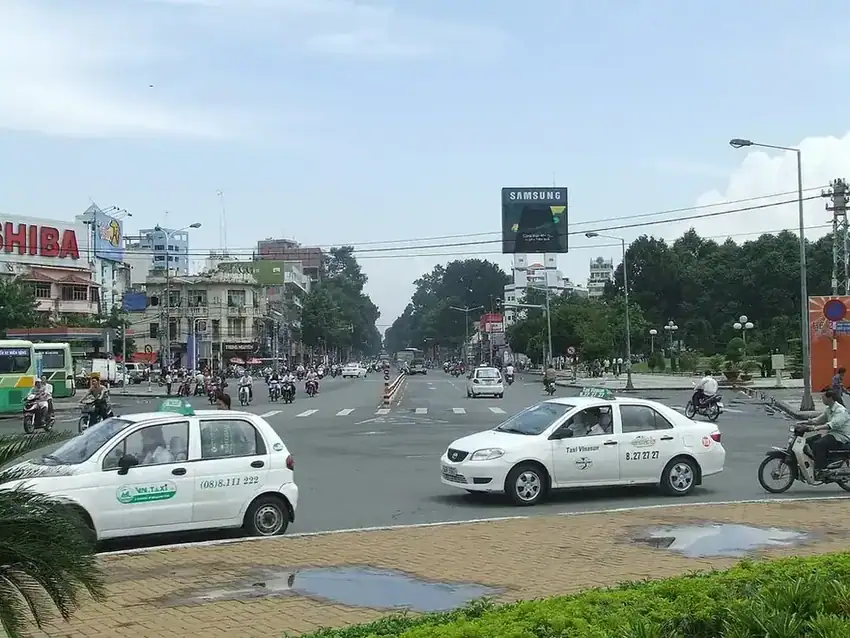
A few additional glimpses of the market, the Independence Palace and the old post office.
Photography credits and licenses
Landmark photographs on this page are adapted to optimized WebP for easier mobile loading. Original images are from Wikimedia Commons and are used according to the individual open licenses; photographer, file page and licensing are listed below. Images may show the sites in earlier years.
Photo: Ben Thanh Market, 2023 (01).jpg · Bahnfrend · CC BY-SA 4.0 License details
Photo: Inside Ben Thanh market.jpg · Stephan Ridgway · CC BY 2.0 License details
Photo: Independence Palace, Ho Chi Minh (LRM 20230823 093633).jpg · Matti Blume · CC BY-SA 4.0 License details
Photo: Meeting room Palace Ho Chi Minh City Vietnam.jpg · Peter van der Sluijs · CC BY-SA 3.0 License details
Photo: Central Post Office, Ho Chi Minh City.jpg · alex.ch from Zurich, Switzerland · CC BY 2.0 License details
Photo: Saigon Central Post Office Lobby.jpg · WiNG · CC BY 3.0 License details
Photo: Main building of the War Remnants Museum, Ho Chi Minh City, Vietnam - 20120810-01.jpg · Smuconlaw . · CC BY-SA 3.0 License details
Photo: Helicóptero CH-47 Chinook, Museo de los Vestigios de la Guerra de Vietnam, Ciudad Ho Chi Minh, Vietnam, 2013-08-14, DD 01.JPG · Diego Delso · CC BY-SA 3.0 License details
Photo: 20180413 215356Nguyễn Huệ Walking Street.jpg · choi kwangmo · CC0 License details
Photo: Ho Chi Minh City Hall and Statue (27111511846).jpg · bvi4092 · CC BY 2.0 License details
Photo: In front of Ben Thanh market (340932451).jpg · MrTMan from Jyväskylä, Finland · CC BY-SA 2.0 License details
Photo: 20190923 Independence Palace-1.jpg · Balon Greyjoy · CC0 License details
Photo: Saigon Central Post Office Telephone Booth.jpg · WiNG · CC BY 3.0 License details
Read more: Three days in Ho Chi Minh City · Guide to HCMC Metro Line 1 · Vietnamese souvenirs guide.