Explore Cholon: Saigon’s Chinatown, Binh Tay Market & Thien Hau Temple
Cholon is not a theme park version of Chinatown. It is a living trading district, shaped by generations of Chinese-Vietnamese families, temple communities and merchants. Away from downtown towers, the streets reveal layered shop signs, ceramic roof ornaments, medicinal herbs, family food businesses and a different rhythm of Saigon.
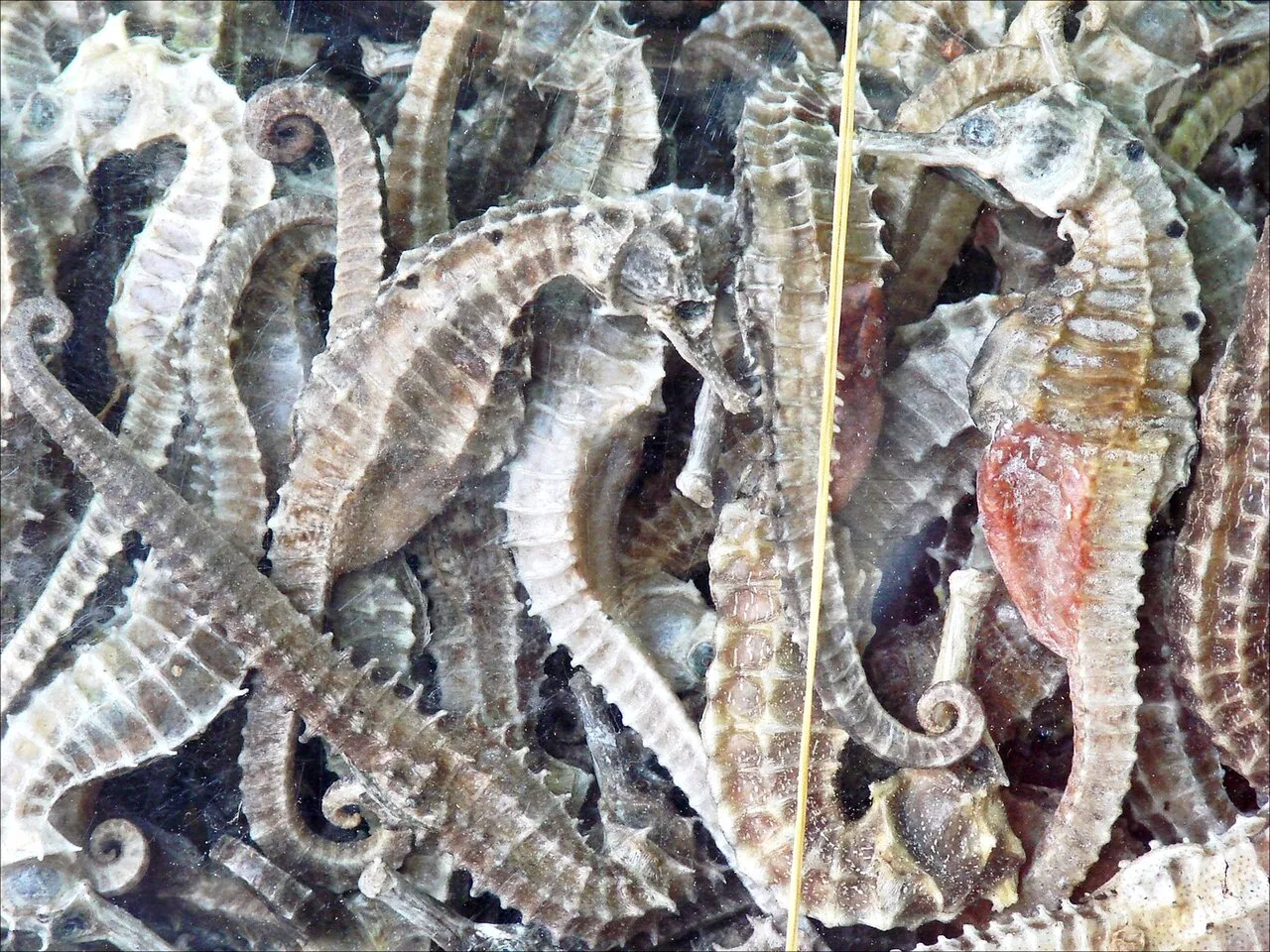
A little history: what does Cholon mean?
Chợ Lớn means “big market” in Vietnamese and has long been associated with the city's Chinese-Vietnamese commercial community. Its character comes from working markets, family businesses, clan associations and temples—not merely from a row of souvenir stalls. Chinese and Vietnamese language signs often sit beside each other, and culinary traditions have mixed over generations.
The neighbourhood is not a single short street. A sensible route groups stops around Binh Tay Market and Thien Hau Temple, with time for a meal and quieter lanes in between. Dress for heat, carry drinking water and accept that some of the best discoveries happen slowly.
HCMC's official tourism guides identify Cholon as one of the city's important cultural areas, with market and temple visits as natural starting points.
1. Start at Binh Tay Market: the trading heart of Cholon
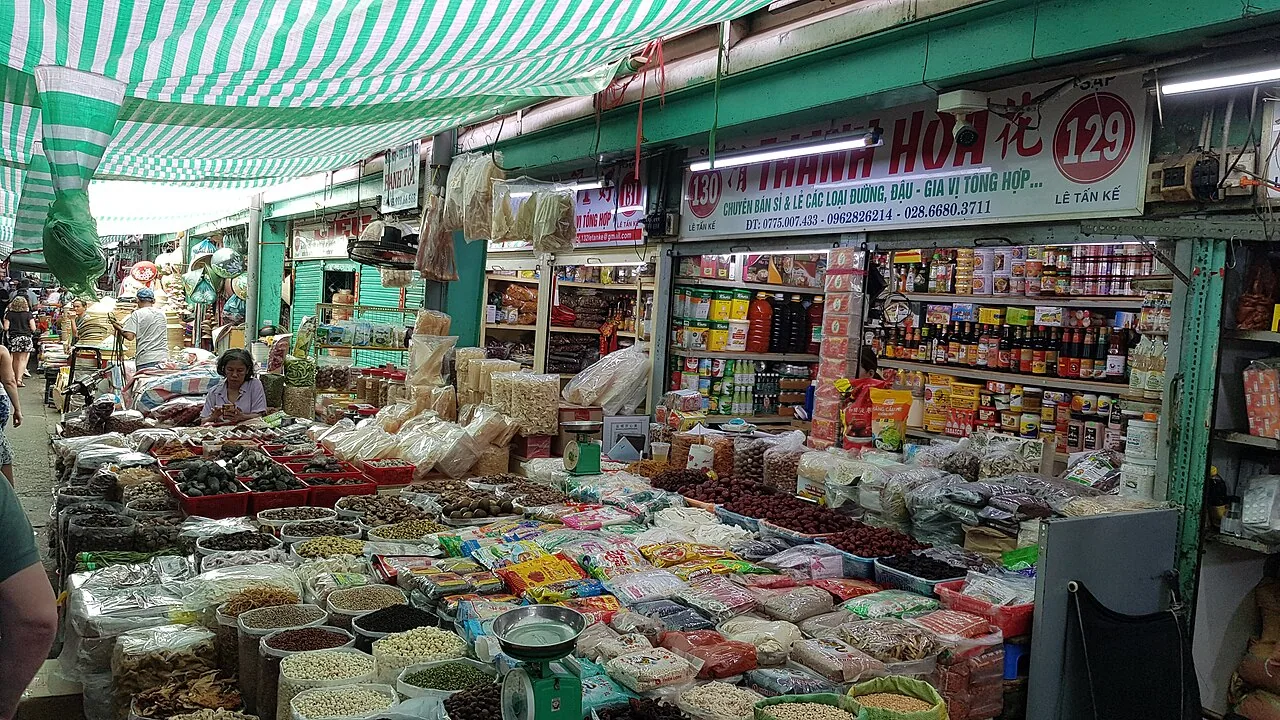
Binh Tay Market is a major trading landmark known for its characteristic roofline, interior courtyard and stalls selling food products, dried goods, household supplies and more. Unlike a curated shopping mall, it is a working marketplace. That is precisely what makes it fascinating: the texture of daily commerce matters as much as any purchase.
Arrive in the morning if you hope to see a livelier trading atmosphere. Browse aisles respectfully, keep bags close to your body and never block a vendor's delivery path just to take a photograph. Many sellers mainly work in wholesale; ask whether small purchases are available.
The market is commonly listed at 57A Thap Muoi Street. If you want edible gifts, inspect seals, ingredient labels and destination-country rules before buying. Products found at a wholesale market are not automatically packaged for international air travel.
2. Visit Thien Hau Temple and understand the sea goddess
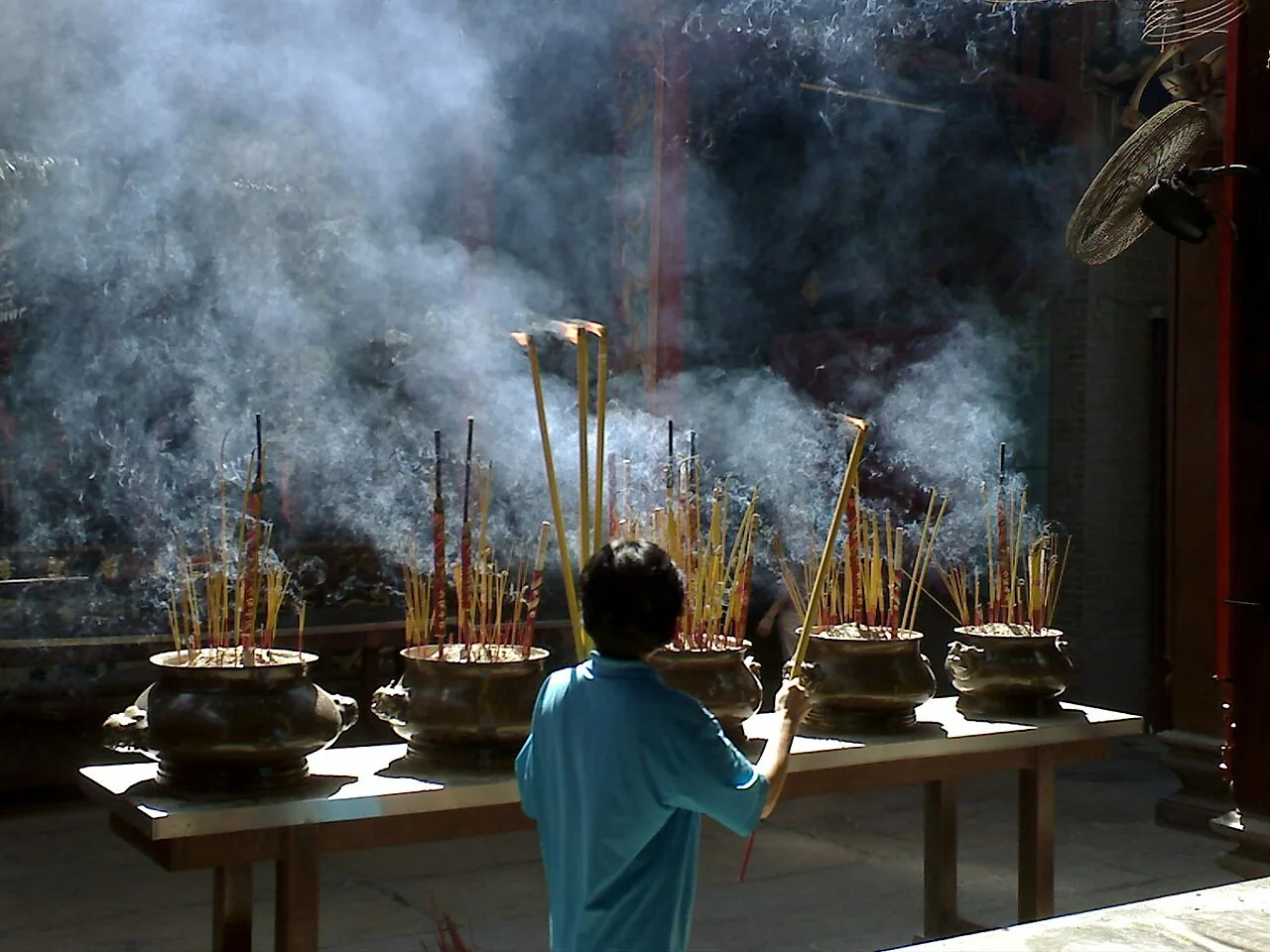
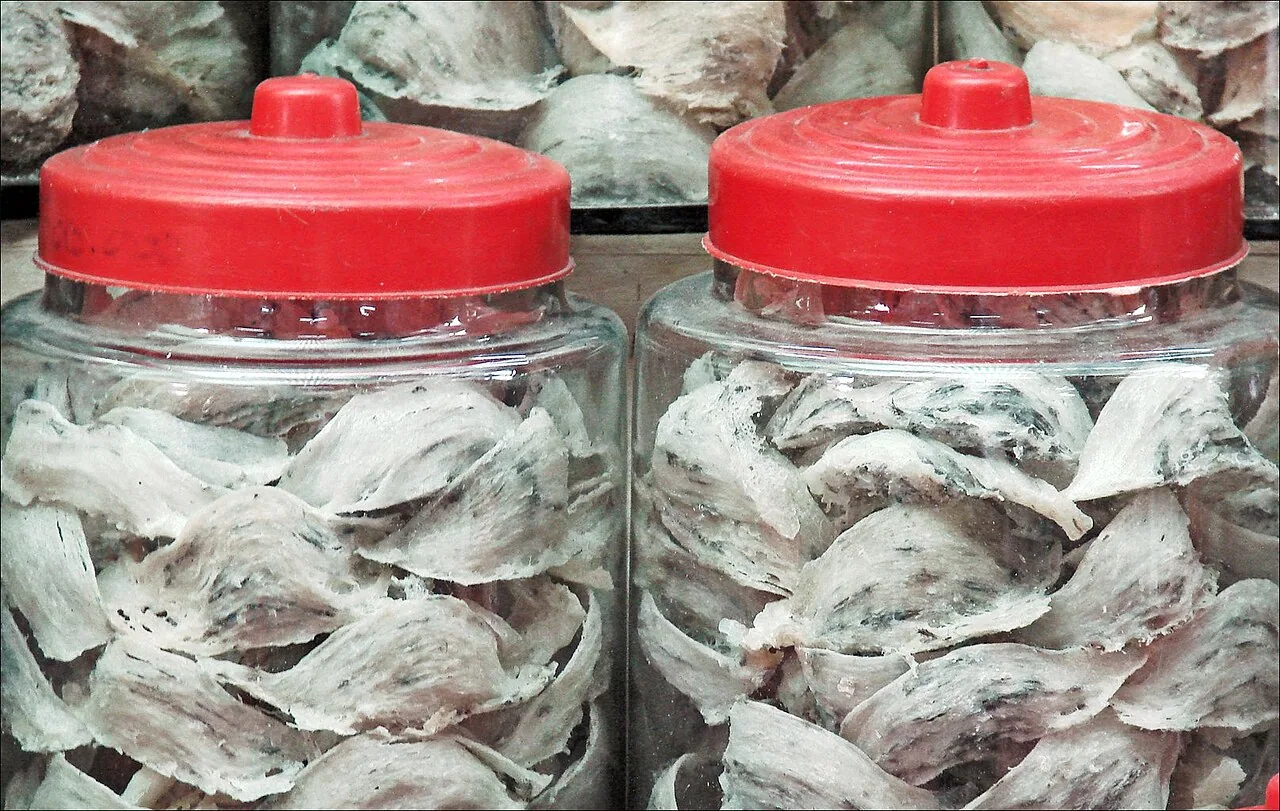
Thien Hau Temple (Chùa Bà Thiên Hậu) at 710 Nguyen Trai Street is associated with Mazu, revered by many Chinese communities as a protective deity of the sea. The temple's roof ornaments, courtyards, incense coils and carved details invite close observation. It is an active place of worship, not a stage set for tourists.
Enter calmly, dress with covered shoulders and respectful clothing, and follow posted instructions. Photography may be restricted in particular areas or during ceremonies. Avoid touching offerings, moving incense or posing in ways that interrupt people at prayer.
The official HCMC tourism description places the temple among Cholon’s historic heritage sites. Religious practices and visitor access can vary around festival days; check on arrival rather than expecting normal sightseeing conditions.
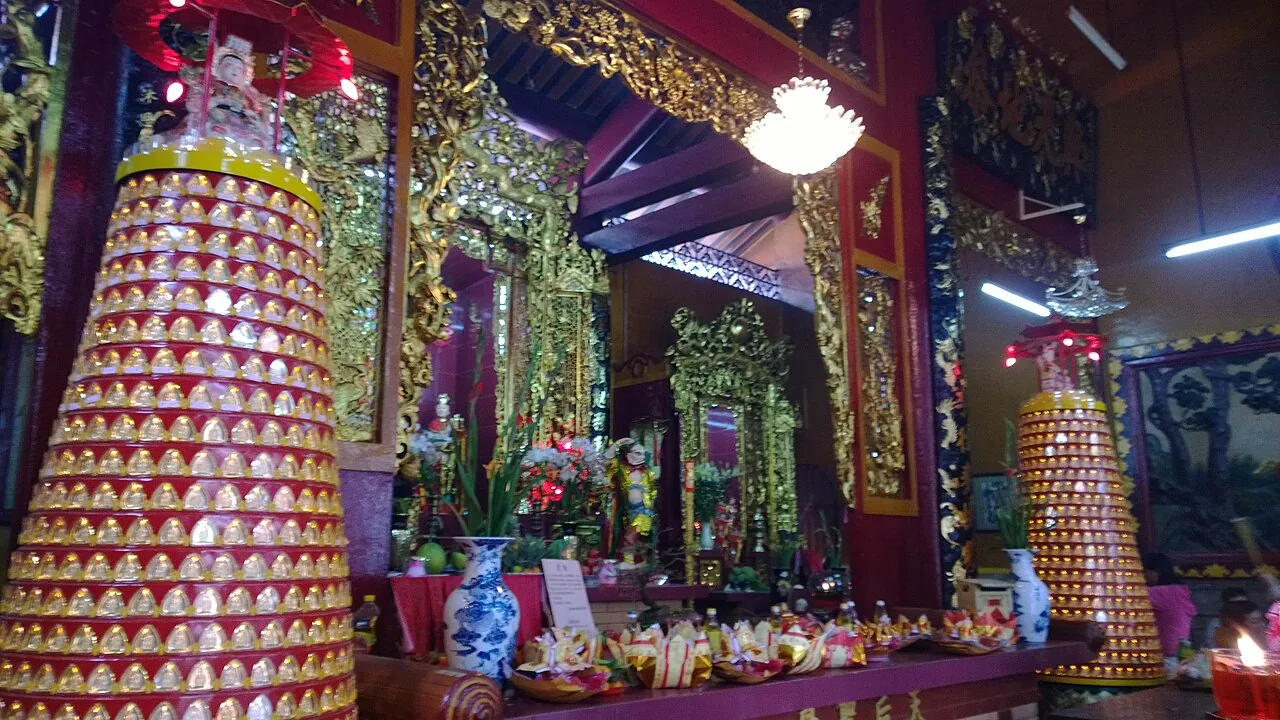
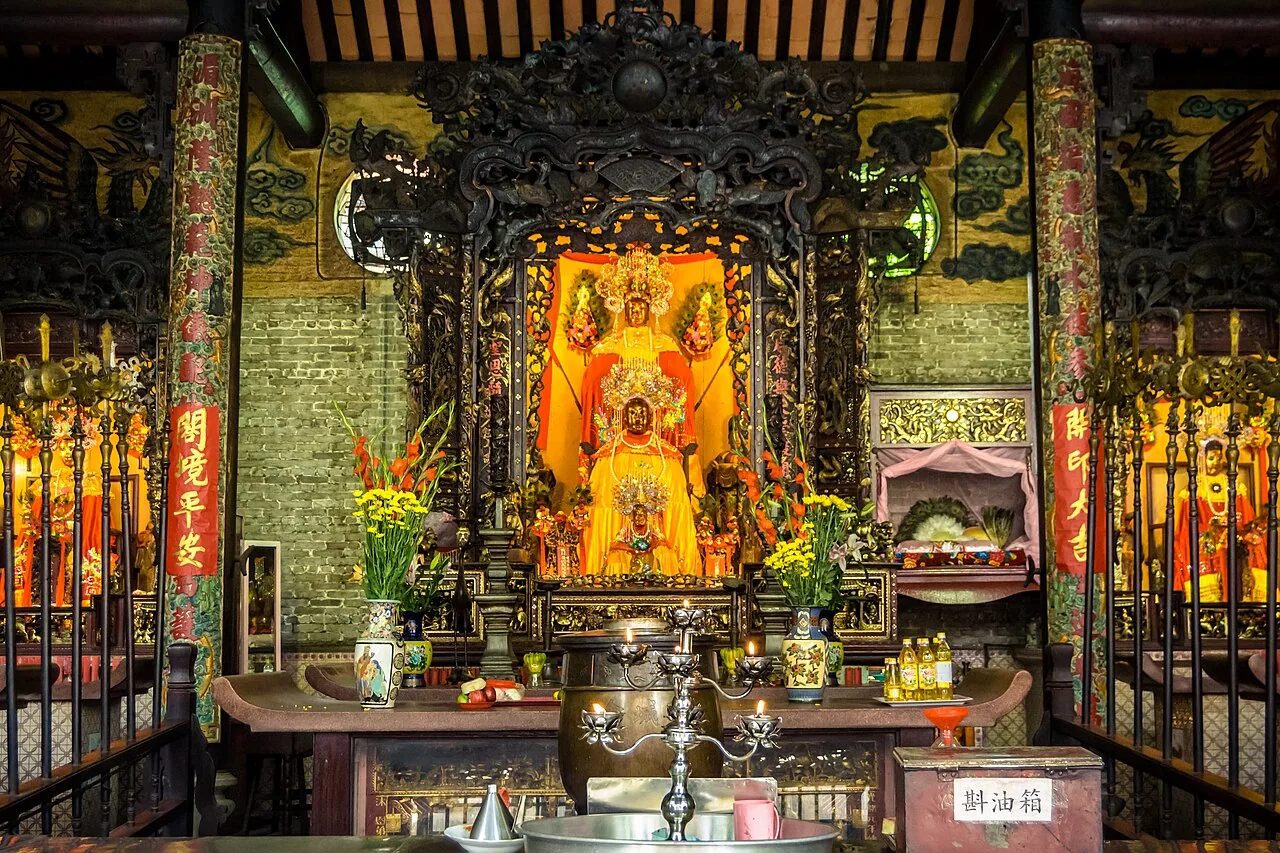
3. Discover On Lang Assembly Hall and smaller heritage lanes
Cholon has more than one major temple. On Lang Assembly Hall (Hội quán Ôn Lăng), also associated with Quan Am Temple, is traditionally connected with Fujianese community heritage and the veneration of Guanyin. The intricate roof sculptures and painted surfaces reward patient looking.
This is a good place to learn about the role of assembly halls: they were not merely religious spaces, but important centres of community, mutual support and collective identity. Visitors should be mindful of the living traditions they continue to serve.
After a temple visit, explore nearby streets at walking pace. Look up at architectural details, old shop signs and decorative gates, but never enter private courtyards or residences without permission.
4. Follow the market streets, herbs, tea and festival lanterns
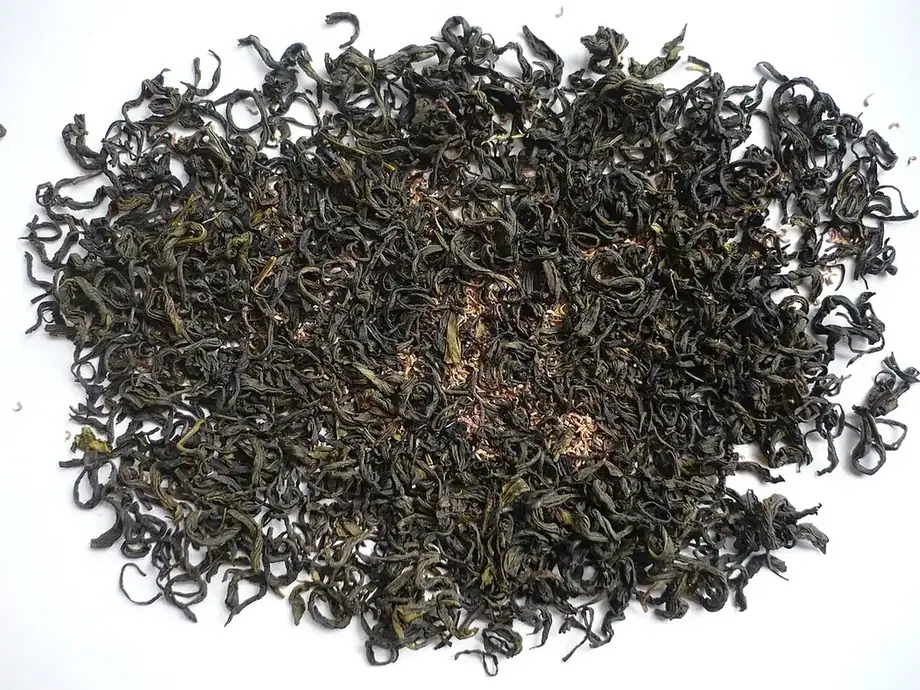
Some of Cholon's most memorable streets are ordinary working lanes where merchants sell herbal ingredients, dried foods, tea, paper goods and household items. Instead of collecting random addresses, decide what interests you: traditional medicine, family-run snack shops, shopfront typography or the smell of roasted ingredients.
Luong Nhu Hoc Street is associated with colourful lantern businesses and becomes especially atmospheric in the lead-up to Mid-Autumn Festival. At other times of year, do not expect every shopfront to be covered in lanterns. Seasonal displays, opening times and street closures change.
If you buy herbal products or unfamiliar dried foods, check ingredients, labelling and import regulations for your home country. Some plant materials may be restricted when crossing borders.
5. Eat your way through Chinese-Vietnamese Saigon
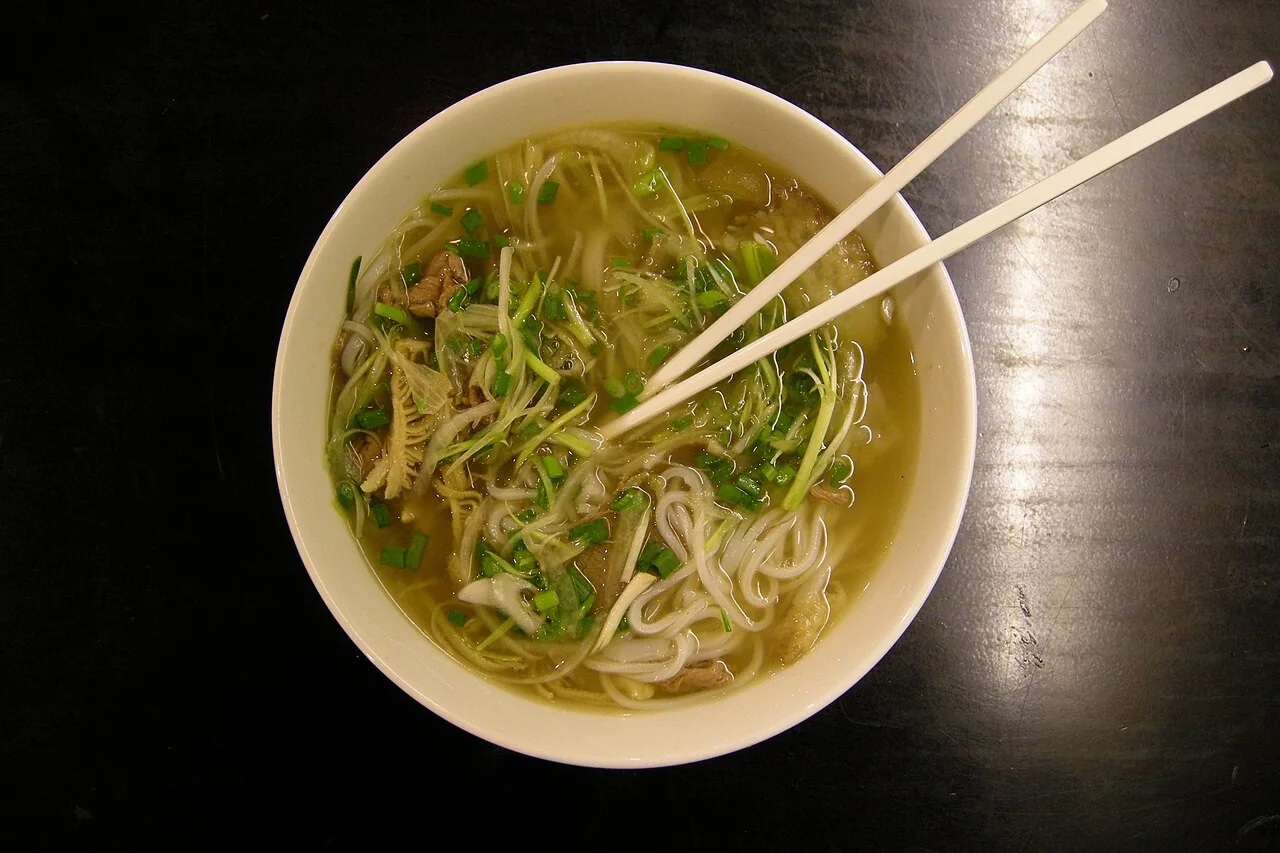
Cholon is a rewarding place to understand the Chinese-Vietnamese food traditions woven into Saigon. Depending on the neighbourhood and time of day, you may come across hủ tiếu, wonton noodles, steamed buns, dim sum, roast duck, congee and sweet soups. The attraction is not an invented “one famous restaurant” but the variety of lived food culture.
A useful strategy is to eat one small snack during the market walk, then sit down for a proper lunch. Look for clear prices, clean utensils and a busy kitchen. Ask about shellfish, pork, peanuts, sesame or dairy if you have dietary restrictions; many broths contain ingredients that are not obvious on the menu.
For a broader food vocabulary before travelling, see our Saigon food guide.
6. A slow, respectful half-day route
| Approximate time | Suggested stop | What to notice |
|---|---|---|
| 08:00–09:15 | Binh Tay Market | Working stalls, roofline and courtyard |
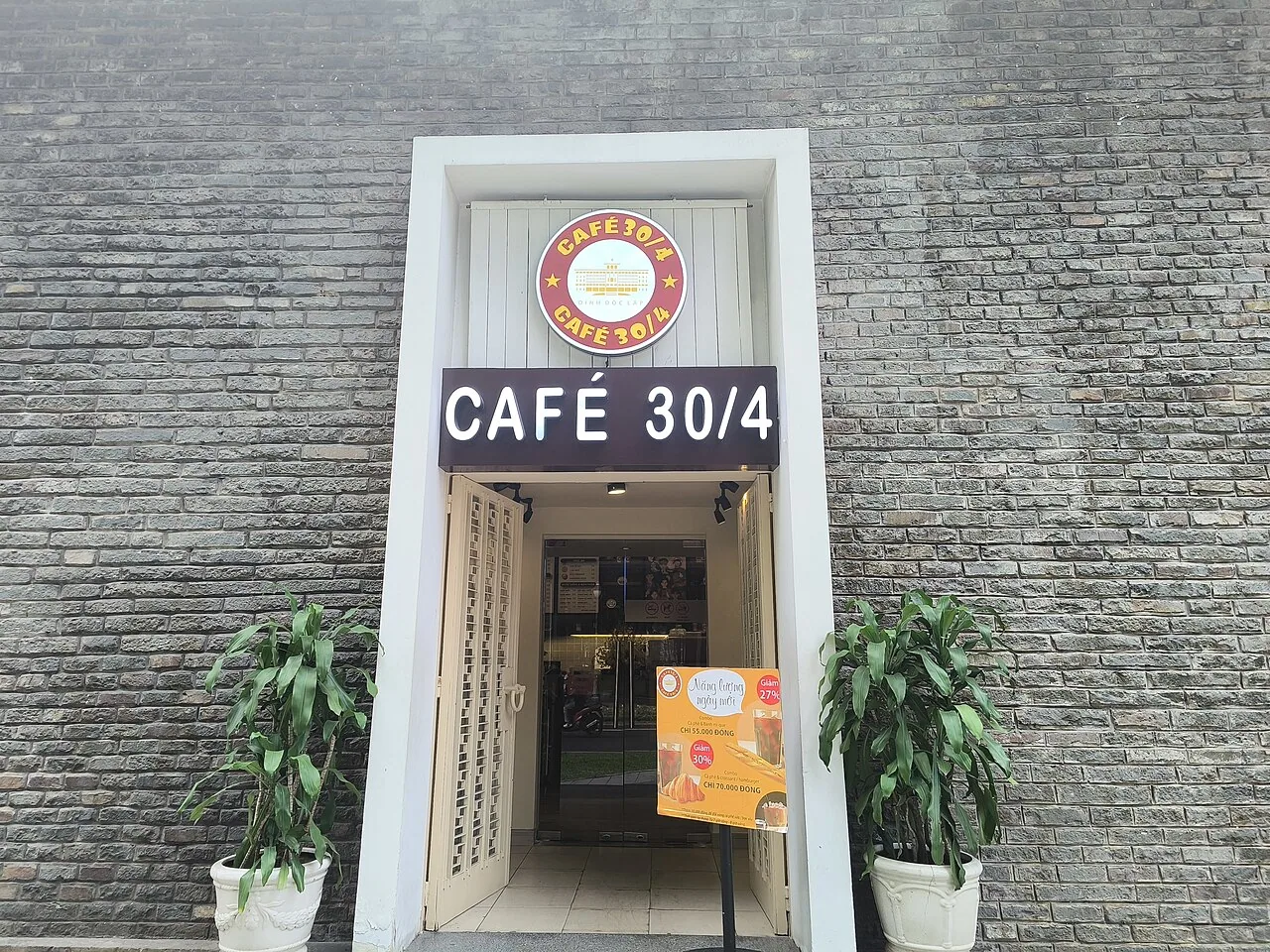
| 09:15–09:45 | Café or tea break | Take a pause and review the route |
| 10:00–11:00 | Thien Hau Temple | Roof ornamentation and living worship traditions |
| 11:00–11:45 | Nearby heritage streets and/or On Lang | Shopfronts and community architecture |
| 12:00–13:00 | Chinese-Vietnamese lunch | Noodles, dim sum or another local specialty |
This is a flexible outline. Transfers between stops may be necessary depending on heat, accessibility and current road conditions. Do not assume every temple will accept visitors at any time, especially during religious activities.
If you have a full day, add more heritage stops and a relaxed meal. If you only have two hours, choose one market and one temple rather than attempting every landmark.
7. How to get to Cholon from central Saigon
Cholon is outside the compact Nguyen Hue–Dong Khoi downtown walking cluster. The easiest first-time approach is usually a reputable taxi or ride-hailing app to Binh Tay Market or Thien Hau Temple. Allow extra time at busy periods; the actual journey depends on your departure point and traffic. Public buses serve the wider area, but routes and stops should be checked against current information.
Metro Line 1 does not run directly through Cholon. Do not plan a simple one-train journey from Ben Thanh or Thao Dien to Binh Tay Market. Choose the transfer that suits your group, luggage and mobility.
Keep your destination address in Vietnamese on your phone. For return transport, arrange pickup on a suitable street rather than insisting a car stop inside a narrow market lane.
8. Temple etiquette, shopping advice and seasonal details
- Dress: covered shoulders, respectful attire and shoes you can remove if requested at a worship site.
- Photographs: check signs and ask consent before photographing worshippers, vendors or private activities.
- Donations: use clearly designated donation areas; ignore unsolicited assistance or unofficial payment demands.
- Shopping: small purchases may be possible, but some market businesses operate in wholesale quantities.
- Timing: morning is often good for markets; festivals can bring both extraordinary atmosphere and heavy crowds.
- Lantern season: the most colourful displays are seasonal, not a year-round guarantee.
- Culture: take time to read a sign or learn a few words rather than reducing every temple to a photo backdrop.
Want to understand how Cholon differs from downtown Saigon? Compare it with our central one-day itinerary and best neighbourhoods guide.
Frequently asked questions
What is Cholon Chinatown famous for?
Cholon is known for Chinese-Vietnamese heritage, trading streets, Binh Tay Market, Thien Hau Temple, assembly halls and distinctive food traditions.
How much time should I spend in Cholon?
Allow at least half a day for Binh Tay Market, one or two temples and a meal. A full day suits travellers who enjoy unhurried cultural visits.
Where is Binh Tay Market?
Binh Tay Market is generally listed at 57A Thap Muoi Street in the Cholon area of Ho Chi Minh City. Verify the destination before departure.
Is Thien Hau Temple an active place of worship?
Yes. Visitors should dress respectfully, follow posted rules and avoid disturbing prayers, offerings or ceremonies.
Can I reach Cholon directly by Metro Line 1?
No. Metro Line 1 does not directly serve Binh Tay Market or Thien Hau Temple. Plan a bus or road transfer.
Useful sources and fact-checking
Editorially reviewed 8 November 2026. Opening arrangements, fares, traffic and services can change; verify details with official operators before travel.
Find a meaningful souvenir at KOKONIC
This guide is published by KOKONIC. If your itinerary takes you past central Saigon or Thao Dien, you can also browse Vietnamese coffee, chocolate, dried-fruit gifts and local designs. Selection and stock vary by store.
Editorial disclosure: KOKONIC is the website operator. Its stores are identified as owned-brand suggestions, not represented as independent rankings.