Start with the tea style
Lotus-scented tea and jasmine-scented tea are named for their fragrance, while oolong describes a tea style. Ask what tea leaves form the base of a scented product, and whether the aroma comes from a scenting process, added fragrance, or another ingredient. Sellers may use similar names for products made in different ways, so the ingredient list and product description matter more than the front label alone.
| Gift choice | What to check | A good fit if… |
|---|---|---|
| Lotus-scented tea | Tea base, scenting description, ingredient list | You want a floral aroma associated with lotus |
| Jasmine-scented tea | Tea base and whether fragrance or flavoring is listed | You prefer a recognizable jasmine note |
| Oolong | Leaf appearance, origin and processing details on the label | You want tea leaves without choosing by floral scent |
Lotus: look beyond the name
A packet called lotus tea may refer to tea scented with lotus, but the name alone does not establish the method or the ingredients. Ask the seller whether it contains tea leaves and how the lotus aroma is produced. If the package lists added flavoring or fragrance, decide whether that suits the recipient rather than assuming every lotus product is made the same way.
Scent is a preference, not a reliable quality certificate. If sampling is permitted, notice whether the aroma seems agreeable and balanced to you; do not treat a very powerful smell as proof of higher quality. For a sealed gift, rely on the product description and label, not a promise that the scent is “natural” unless the packaging clearly supports that description.
Jasmine: check the base and aroma
Jasmine-scented tea can vary according to its tea base and how the product is described. Check the ingredients for tea leaves and any listed flavoring, then compare that information with the seller’s explanation. A clear label helps you give an accurate description of the gift and helps the recipient decide whether it suits their taste.
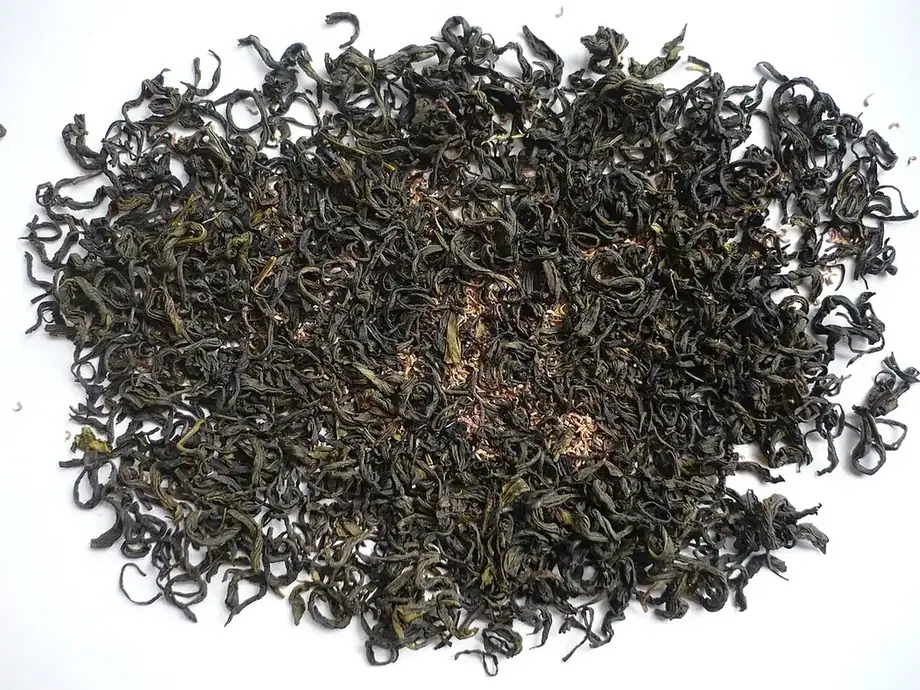
If choosing between two packets, compare the leaf condition as well as the scent. Look for leaves that appear dry and reasonably consistent for the product, without visible dampness or an unusual musty smell. Avoid making a judgment from aroma alone: strong fragrance may reflect the product’s style, but it does not tell you about freshness, origin or processing.
Oolong: inspect leaves and origin details
Oolong is a leaf tea, not a floral scent category. Its appearance can differ with processing, so there is no single color or shape that proves quality. Prefer a package that identifies the tea clearly and gives useful information about its origin or processing; if the label only says “Vietnamese,” ask whether the seller can clarify where it comes from.
Check that the leaves look dry and free of obvious debris, and compare the packet with the product description. Do not assume that a named region, grade or production method is guaranteed if it is not stated on the packaging. For a gift, a specific, legible label is more useful than an elaborate design with little product information.
Read ingredients, caffeine and directions
Tea made from tea leaves generally contains caffeine, but the amount can vary and a label may not give a figure. If the recipient limits caffeine, check the ingredients and ask the seller rather than guessing from the tea’s name. Artichoke tea is another option in Vietnam, usually sold as an herbal infusion; it is separate from lotus- or jasmine-scented tea, and its ingredients should also be checked.
Read the package’s own brewing directions and use those rather than relying on a generic recipe. Confirm the listed ingredients, any flavoring, net quantity, storage instructions and best-before date. If the directions or label are missing, unclear or not understandable to you, ask for an explanation before buying.
Protect freshness from heat and moisture
Tea can lose aroma or be affected by moisture if its packaging is damaged or left open. Choose an intact, sealed inner bag or container, and check that the outer box has not been crushed or exposed to dampness. A decorative tin is useful only if the tea inside is protected; the package’s closure and condition matter more than appearance.
Check the best-before date and choose a packet with enough time remaining for the recipient to enjoy it. The date is not a substitute for sound storage: keep tea sealed and follow the storage instructions on the label. Avoid buying a package that is already open, has a damaged seal or smells musty.
Buying checklist and luggage
- Choose the style: lotus-scented, jasmine-scented or oolong; ask what the tea base is.
- Verify the label: read ingredients, origin or processing details, caffeine information if provided, directions and best-before date.
- Inspect the product: check that the leaves look dry and the seal and packaging are intact.
- Match it to the recipient: consider scent preference and caffeine sensitivity; do not assume all floral teas are alike.
- Pack it carefully: keep tea sealed, place it in a dry part of your luggage and cushion a tin or box against crushing. Check current customs rules for food products at your destination, since requirements vary.
For more gift ideas, browse Vietnam souvenirs. Avoid buying a large quantity until you have checked the recipient’s taste and the product’s packaging.
Frequently asked questions
Is lotus tea the same as lotus-scented tea? Not necessarily. Read the ingredients and ask whether the product contains tea leaves, lotus, added flavoring or another infusion; the name alone does not settle the distinction.
Which is the safest choice for someone avoiding caffeine? Do not infer caffeine content from a floral name. Check whether tea leaves are listed and ask the seller; choose only when the ingredients and product description are clear.
Can I take Vietnamese tea in my luggage? Keep it sealed and dry, protect it from crushing, and check the current food-import rules for your destination before travel.
Further reading: Vietnam Tourism
Travel Saigon is operated by KOKONIC. Product ranges and store hours may change; confirm current details before visiting.