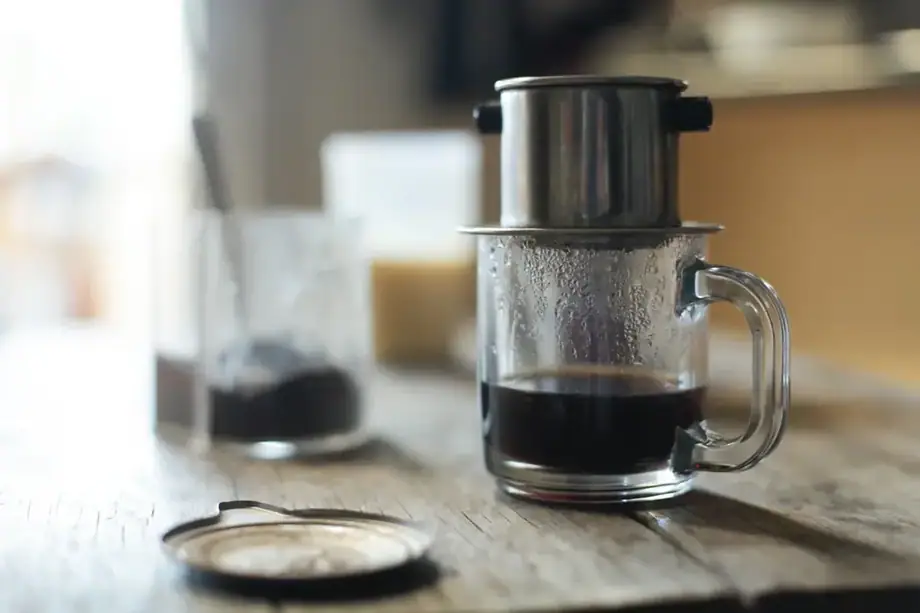
Species and roast are different choices
Robusta and Arabica are species; light, medium and dark describe roast levels. A dark roast is not automatically Robusta, and a light roast is not automatically Arabica. Vietnamese coffee gifts may be single-species or blends, and roasting can change the flavor impression substantially. Read both the bean description and roast information rather than using one as a substitute for the other.
Compare taste tendencies, not quality rankings
Robusta is often associated with a fuller, more forceful cup, while Arabica is often described as more aromatic or nuanced. These are broad tendencies, not guarantees for every bag: origin, processing, roast and brewing all matter. Neither species is inherently the better gift. Someone who enjoys a bold cup may prefer a Robusta-led coffee; a drinker who seeks gentler or more varied flavor notes may be curious about an Arabica or a blend. Use the roaster’s own tasting notes as clues, not promises.
| What the label says | Useful starting point | What it does not guarantee |
|---|---|---|
| Robusta | Consider it for someone who likes a pronounced, full cup | A specific bitterness, strength or quality level |
| Arabica | Consider it for someone interested in aromatic or varied notes | That it will be mild or preferred by everyone |
| Blend | Check which beans are included and how the roaster describes the result | A fixed balance unless the label specifies one |
Let the recipient’s habits guide the gift
Think about how the person makes coffee. A phin user may appreciate ground coffee with phin guidance, while someone with a grinder may prefer whole beans. If you do not know their equipment, a clearly labeled bag in a manageable quantity can be a safer choice than a large specialty format. Ask, if possible, whether they like strong, bitter, fruity, chocolate-like or more aromatic cups; preferences vary more than a species label alone can tell you.
Blends can be a practical option when a roaster describes the intended taste or use. Check the label for the species included and whether it gives a ratio. If it does not, do not assume a particular proportion based on the word “blend.” A gift note with the roaster’s brewing suggestion can help the recipient get started without promising a perfect result.
Whole beans or ground coffee?
Whole beans keep the grinding decision with the recipient, but make sense only if they have access to a grinder. Ground coffee is more convenient when the brewing method is known; match the grind guidance to a phin or the recipient’s other equipment. A mismatch can affect flow and extraction, so avoid buying a generic grind if the package identifies a specific method. Check that the bag is sealed and that its label remains readable.
Read the package: date, origin and ingredients
Look for a roast date, not only a best-before date. A roast date helps you judge how recently the coffee was roasted; the best-before date gives a separate storage and quality reference. Compare products with dates you can read, and follow the pack’s storage advice. Avoid treating “fresh” as a vague marketing word when a date is available.
Check whether the package names a country or growing region, and whether it says single-origin or blend. These details help you understand what is being offered, but a place name alone does not prove a particular taste. Read the ingredient list, especially for flavored coffee or gift assortments. Plain coffee may have a simple ingredient list; flavored or mixed products can include additional ingredients. If the recipient has an allergy, do not rely on the front label: inspect ingredient and allergen statements, and contact the seller if the information is unclear.
Caffeine sensitivity and a thoughtful presentation
People respond differently to caffeine, and the species name alone is not enough to predict how a particular serving will feel. If the recipient is sensitive, ask what they already drink or choose a clearly labeled option they know they tolerate. Avoid claims that one bean is caffeine-free or universally suitable unless the package explicitly supports them.
For a gift, pair coffee with a phin only if the recipient is likely to use one. Keep the coffee sealed in its original bag so roast date, origin, ingredients and brewing directions stay available. If carrying it home, protect the sealed pack from punctures and check current customs and food-import rules for your destination; requirements vary by country and can change.
Travel Saigon is operated by KOKONIC. Browse our Vietnamese souvenir guide or Saigon store guide for more shopping ideas.
Quick buying checklist
- Ask what flavors and brewing method the recipient prefers.
- Separate species (Robusta, Arabica or blend) from roast level.
- Choose whole beans only if they can grind them; otherwise match the stated grind to their brewer.
- Check roast date, best-before date, origin, ingredients and allergen information.
- Keep the bag sealed and check your destination’s current import rules.
FAQs
Is Vietnamese Robusta always stronger or better than Arabica?
No single label guarantees strength or quality. Robusta is often described as fuller and more forceful, but roast, origin, blend and brewing also shape the cup. Choose according to the recipient’s taste.
Should I buy beans or ground coffee as a souvenir?
Choose whole beans if the recipient owns a grinder. Otherwise, buy ground coffee labeled for their brewing method, such as phin, and keep the package sealed for the journey.
Which date matters more: roast date or best-before date?
They tell you different things. The roast date shows when the coffee was roasted; the best-before date is the pack’s stated quality or storage limit. Check both and follow the storage instructions.
Further reading: Vietnam Tourism
Travel Saigon is operated by KOKONIC. Product ranges and store hours may change; confirm current details before visiting.