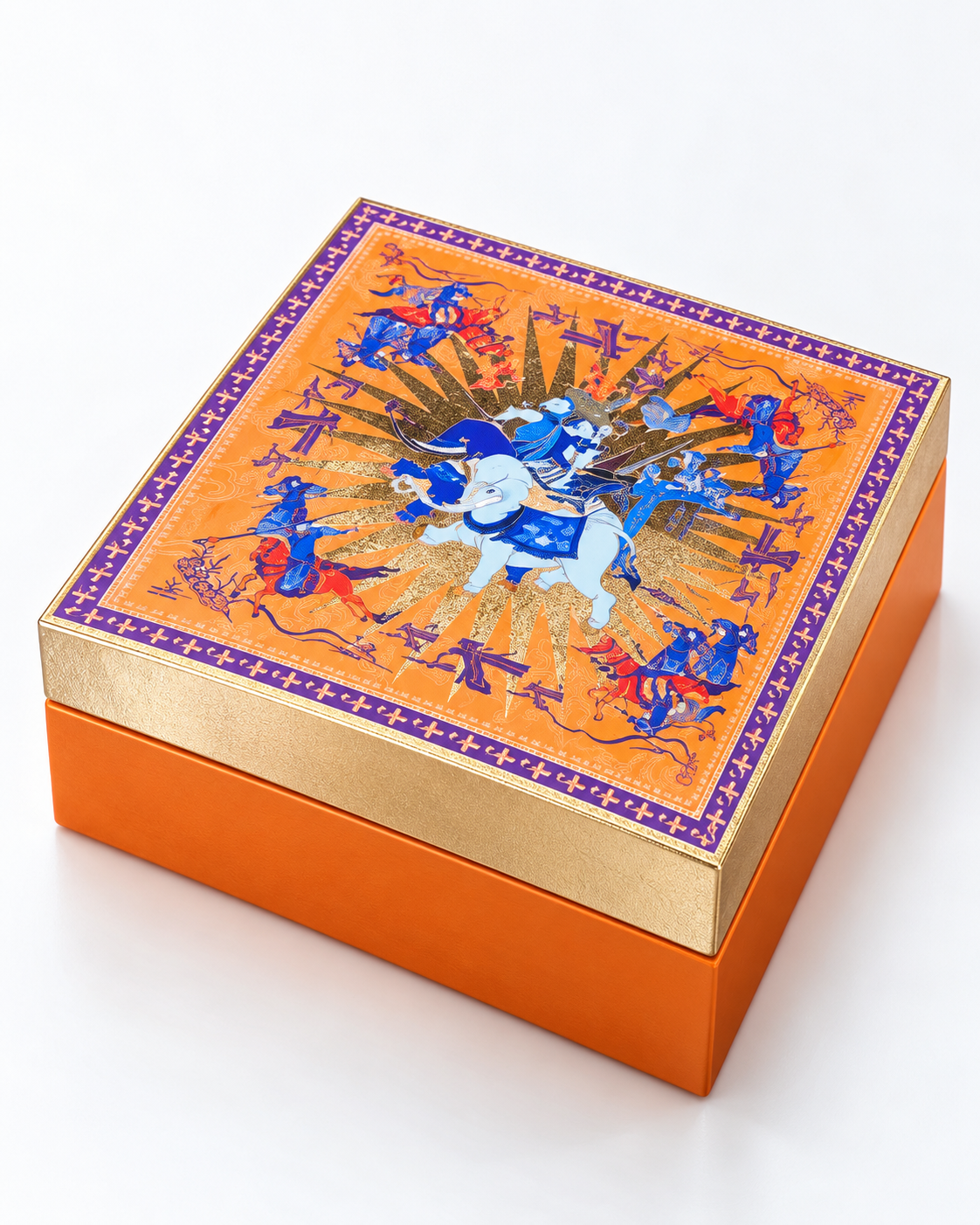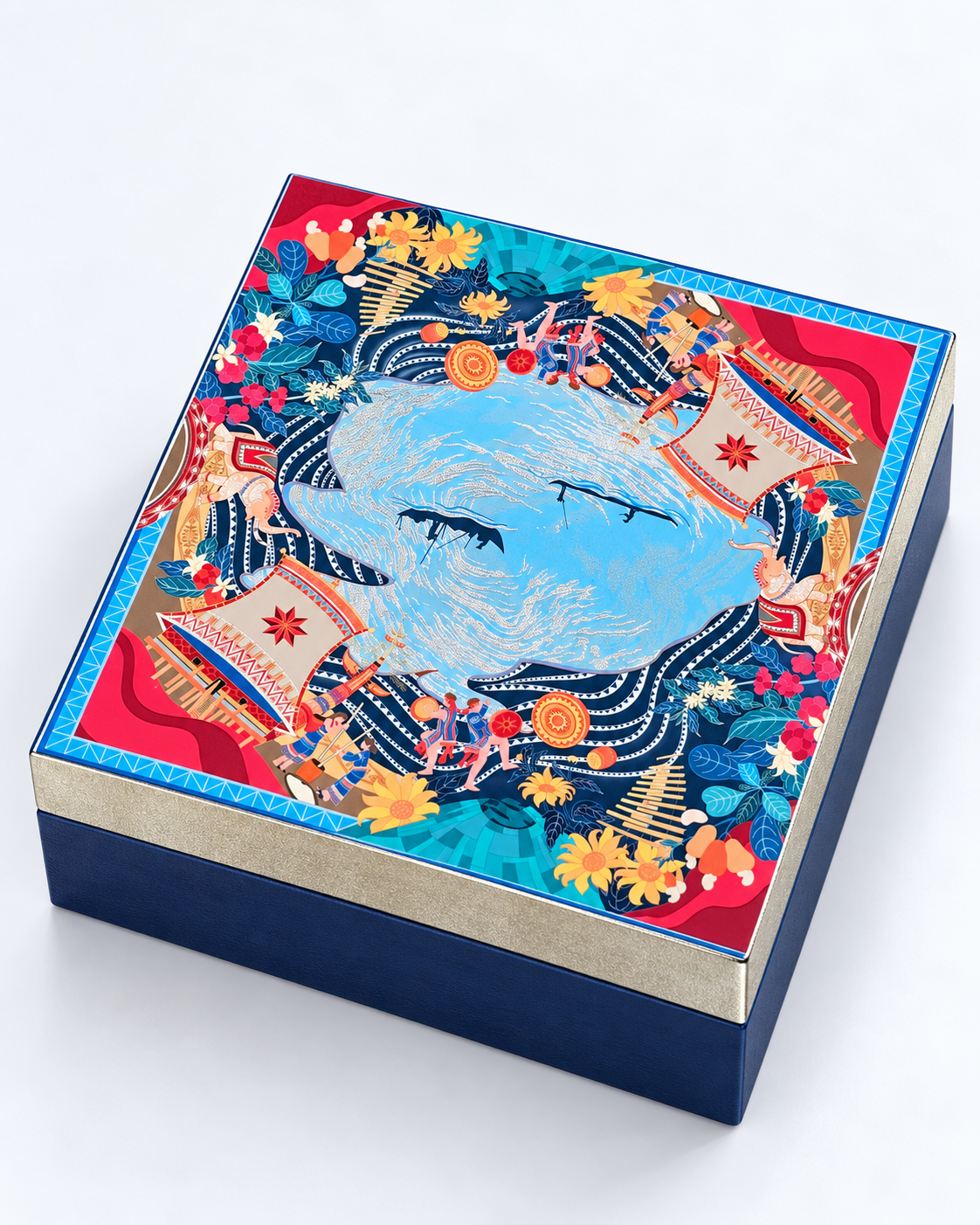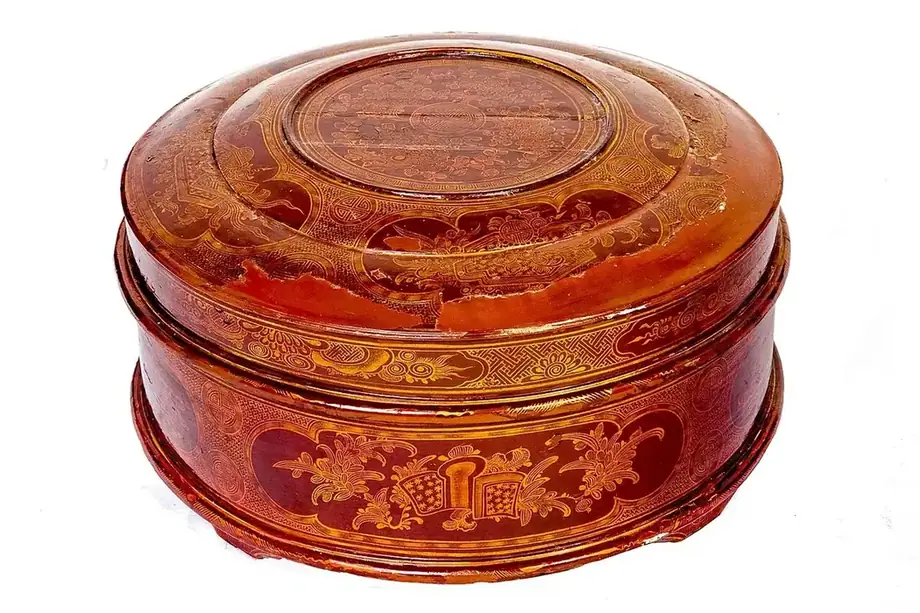
What makes Vietnamese lacquerware special?
Lacquerware has a long place in Vietnamese craft and design. The country's artisans are known for building lustrous surfaces, playing with color and decorating everyday objects as carefully as art pieces. Traditional lacquer techniques can involve many stages of layering, polishing and drying; contemporary decorative boxes may use different materials and finishes. Ask the seller what the object is made of rather than assuming every glossy piece uses the same method.
The national tourism site includes lacquerware among Vietnam's distinctive traditional crafts. That makes a well-chosen box more than decorative storage: it can also be a conversation about Vietnamese design.
Which lacquer box should you buy?
Think about the person who will receive it and what they might keep inside. A compact box suits jewelry, keys, letters or other small keepsakes; a larger lidded box may work as an accent on a shelf. Pattern and color matter, but daily usefulness matters just as much.
| Look for | Why it matters |
|---|---|
| Smooth, consistent finish | Helps you assess visible craftsmanship |
| Evenly fitting lid | Makes the box more pleasant to use |
| Clean corners and edges | Avoids a rough or unfinished feel |
| Clearly described materials | Helps you judge care and value |
| Packaging that protects the finish | Important for flights and long journeys |
Handcrafted versus factory-made: how to shop respectfully
Neither price nor a hand-painted-looking pattern proves an item is entirely handmade. If origin and technique are important to you, ask whether the design is hand-painted, printed, or assembled using a mix of processes. Seek clear answers about materials and production; choose shops that can explain the work without exaggeration.
Small variations can be charming, but deep scratches, tacky coatings or loose hinges should be treated as quality concerns, not romantic signs of craft.
Design ideas for meaningful gifts
For a colleague, try a clean geometric design in a neutral palette. For a family member, look for a motif or color connected with your trip. For yourself, choose an object you will actually use: a box for postcards or small travel memories is often better than a piece that stays wrapped.
A handwritten note explaining where you found it makes the gift personal without adding much weight to your luggage.
How to clean and store a lacquerware box
Use a soft, dry cloth for routine dusting. Keep lacquerware away from harsh cleaners, soaking water, extreme heat and prolonged direct sunlight unless the maker gives specific care advice. Do not assume a decorative box is food-safe. When in doubt, follow the care instructions that came with the item.
How to pack lacquerware for a flight
Place a soft cloth or tissue between the lid and base to prevent rubbing. Wrap the box separately, cushion its corners and position it in the center of a suitcase away from hard objects. For particularly delicate pieces, ask the shop for a protective box. Keep a receipt in case you need to describe the item at customs.
Frequently asked questions
Is all Vietnamese lacquerware handmade?
No. Shops may carry hand-finished art pieces alongside contemporary or mass-produced decorative items. Check materials and technique with the seller.
Can I put food inside a lacquer box?
Only if the product is expressly marked suitable for food contact. Most decorative gift boxes should not be treated as food containers.
Where can I explore lacquer souvenirs in Ho Chi Minh City?
Explore curated gift shops and craft-focused retailers, ask about materials and compare finish quality. See our Saigon souvenir store guide and handmade gift ideas.
Further reading: Vietnam Tourism — Exploring Vietnam's vibrant crafts.